
Young People "Pay for Happiness": The Surging Growth of China’s Anime-Inspired Apparel Market
Young People "Pay for Happiness": The Surging Growth of China’s Anime-Inspired Apparel Market
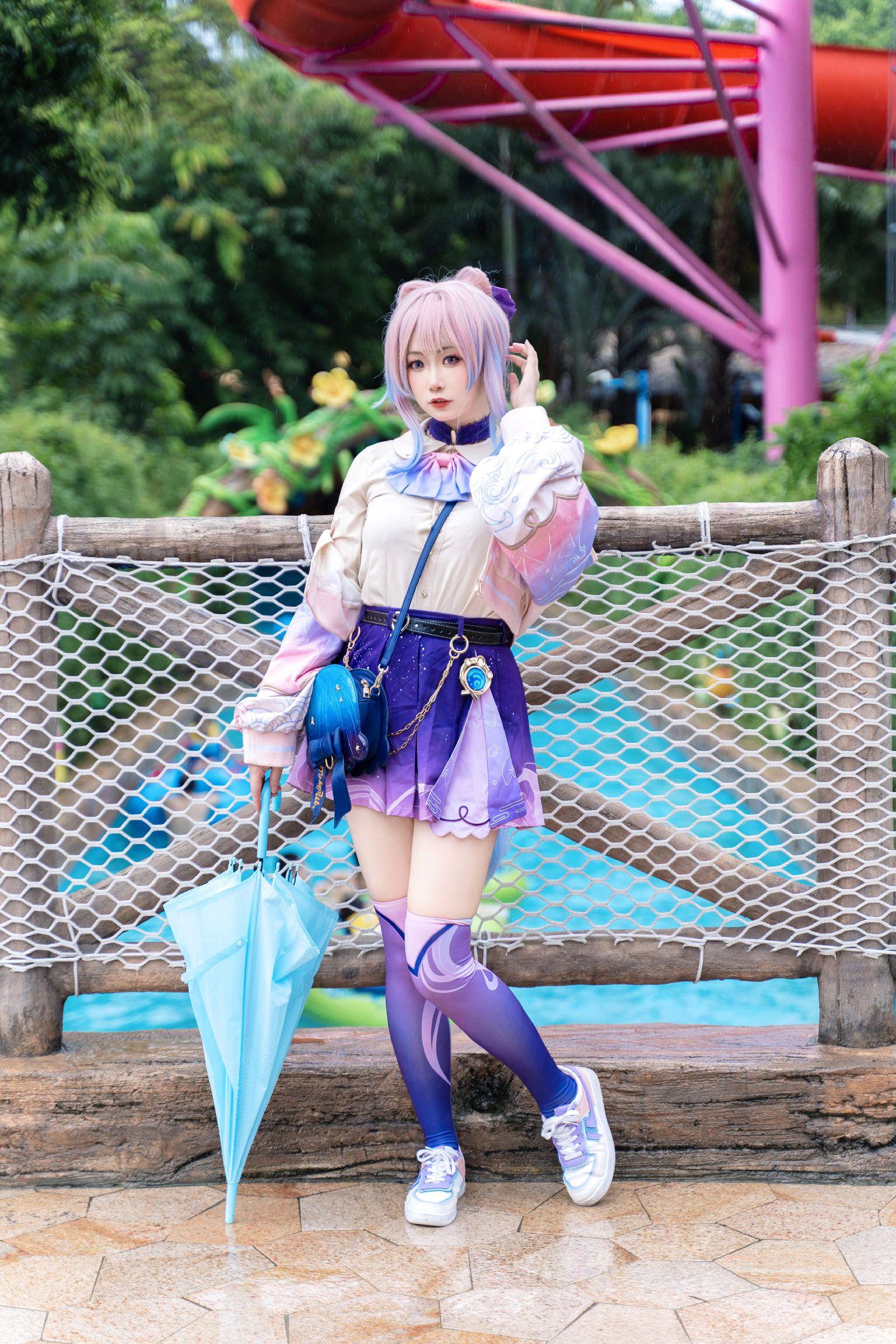
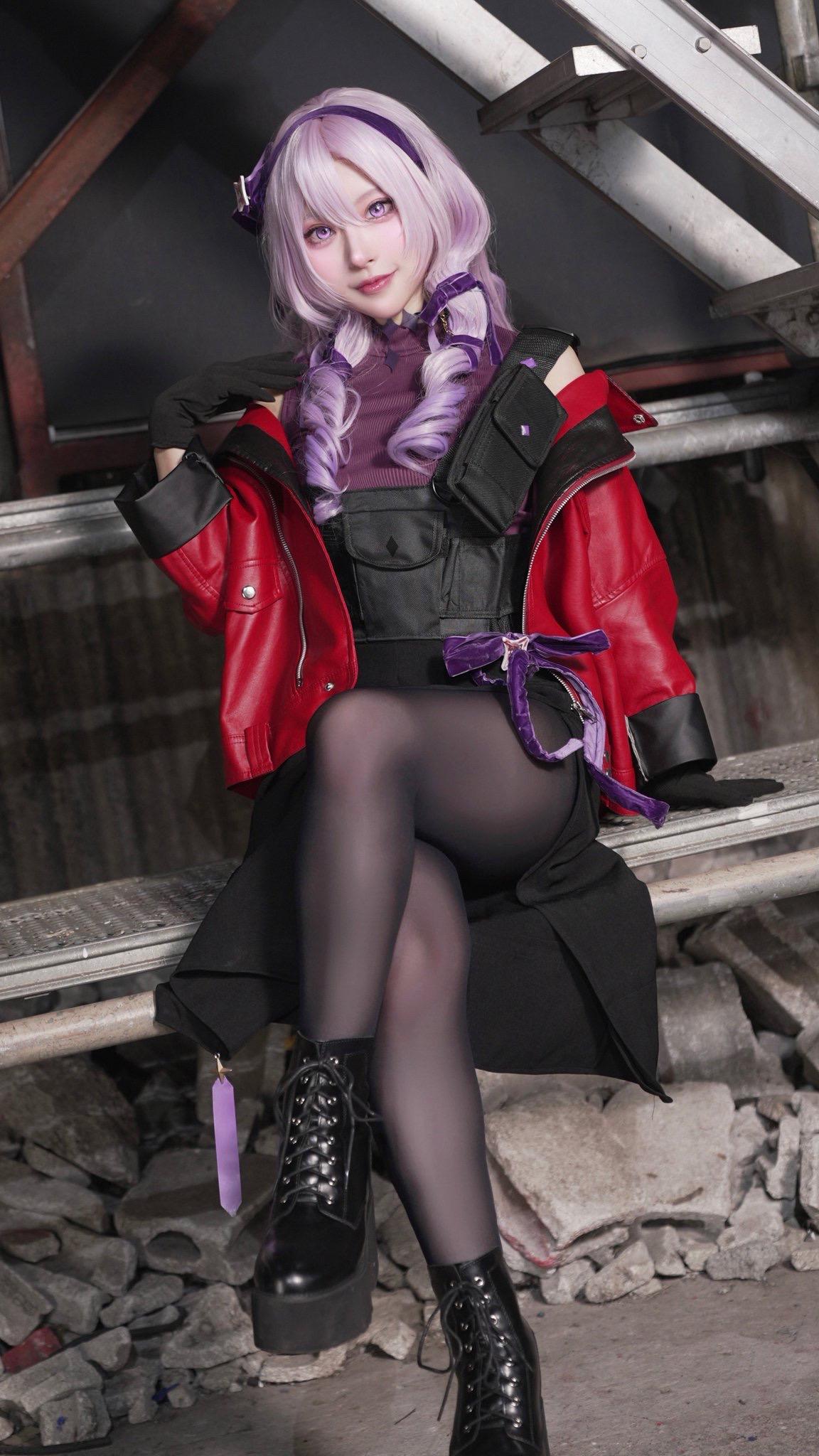
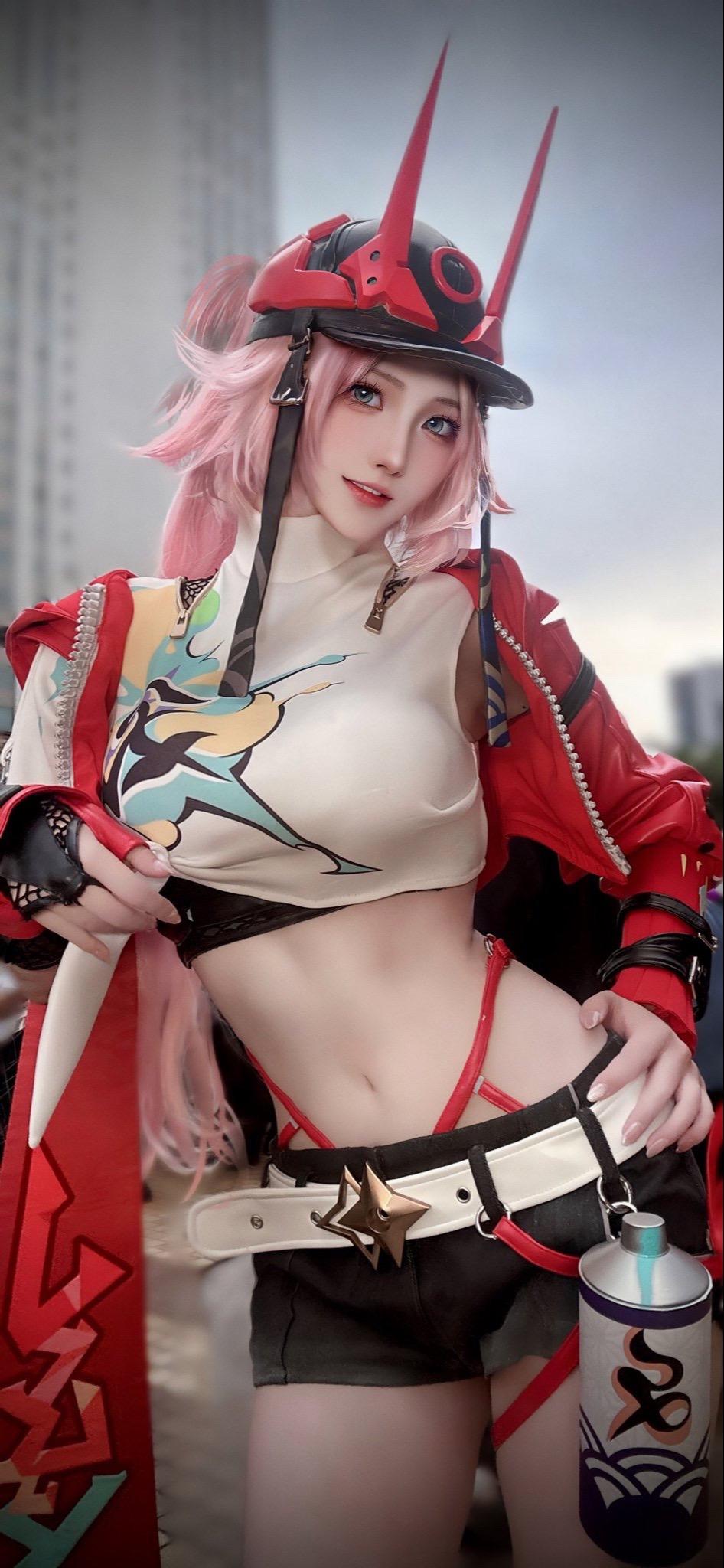
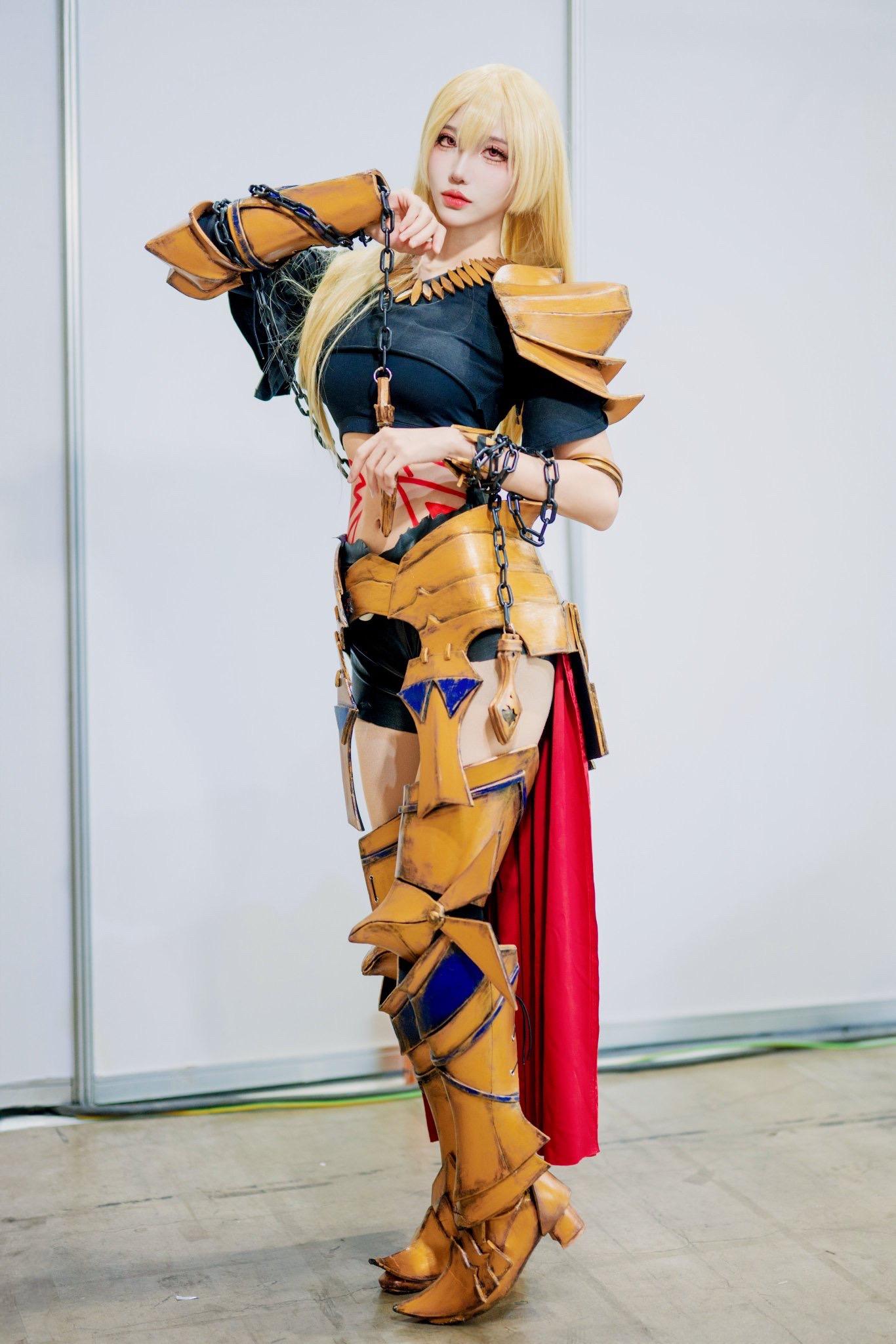
As Generation Z – represented by the post-95s and post-00s generations – emerges as the dominant force in China’s consumer market, demand for self-pleasure and social connection has ignited explosive growth in the country’s two-dimensional (2D) anime and manga subculture market. In 2024, the market size of pan-2D peripheral products exceeded 500 billion yuan, while the number of core users in the sector surged from 210 million in 2017 to a projected 526 million in 2025. As the most intuitive outward expression of 2D culture, anime-inspired apparel has broken free from the confines of comic conventions and entered mainstream daily life.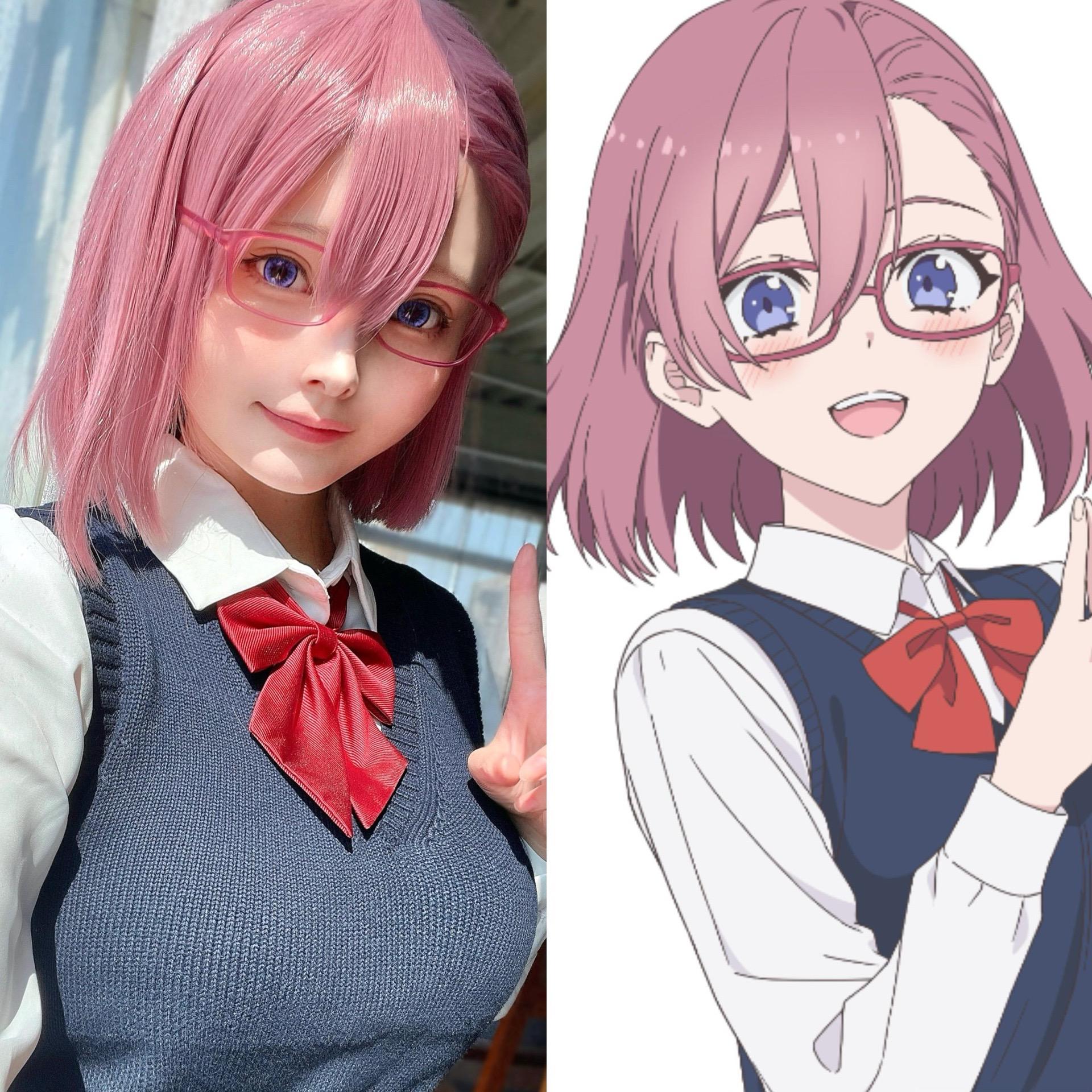
A survey conducted by the Shanghai Municipal Consumer Protection Commission (SMPCC) has shed light on the core consumer demographic for anime-inspired apparel: 62% are dynamic young people aged 18 to 35, 60% of whom are women. This group of "self-pleasure seekers" boasts undeniable spending power. When faced with a choice between officially licensed products and low-priced unlicensed alternatives, "authenticity" wins by a landslide. Annual spending of over 500 yuan per person has become the mainstream among this group, who do not hesitate to open their wallets for their favorite intellectual properties (IPs).
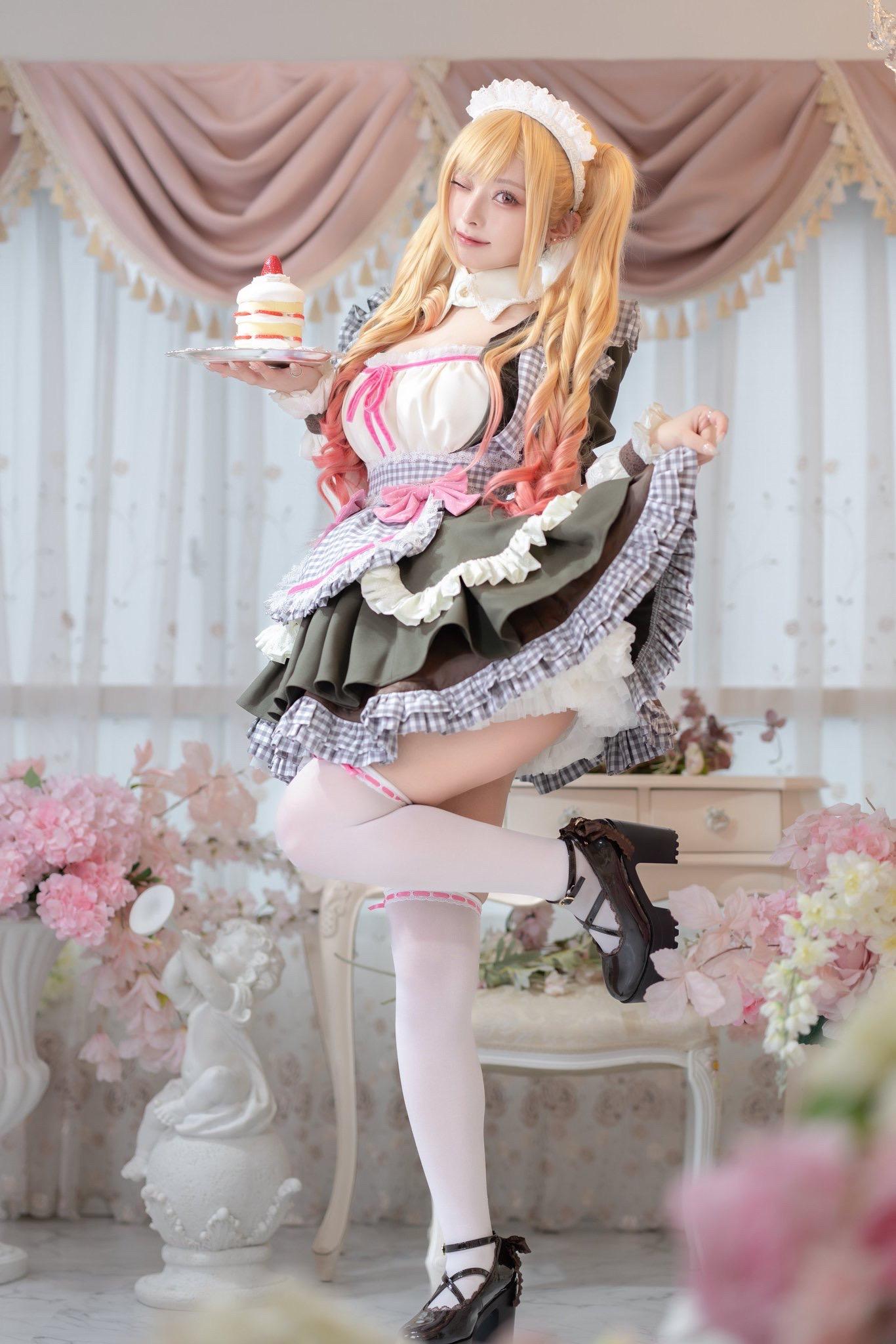
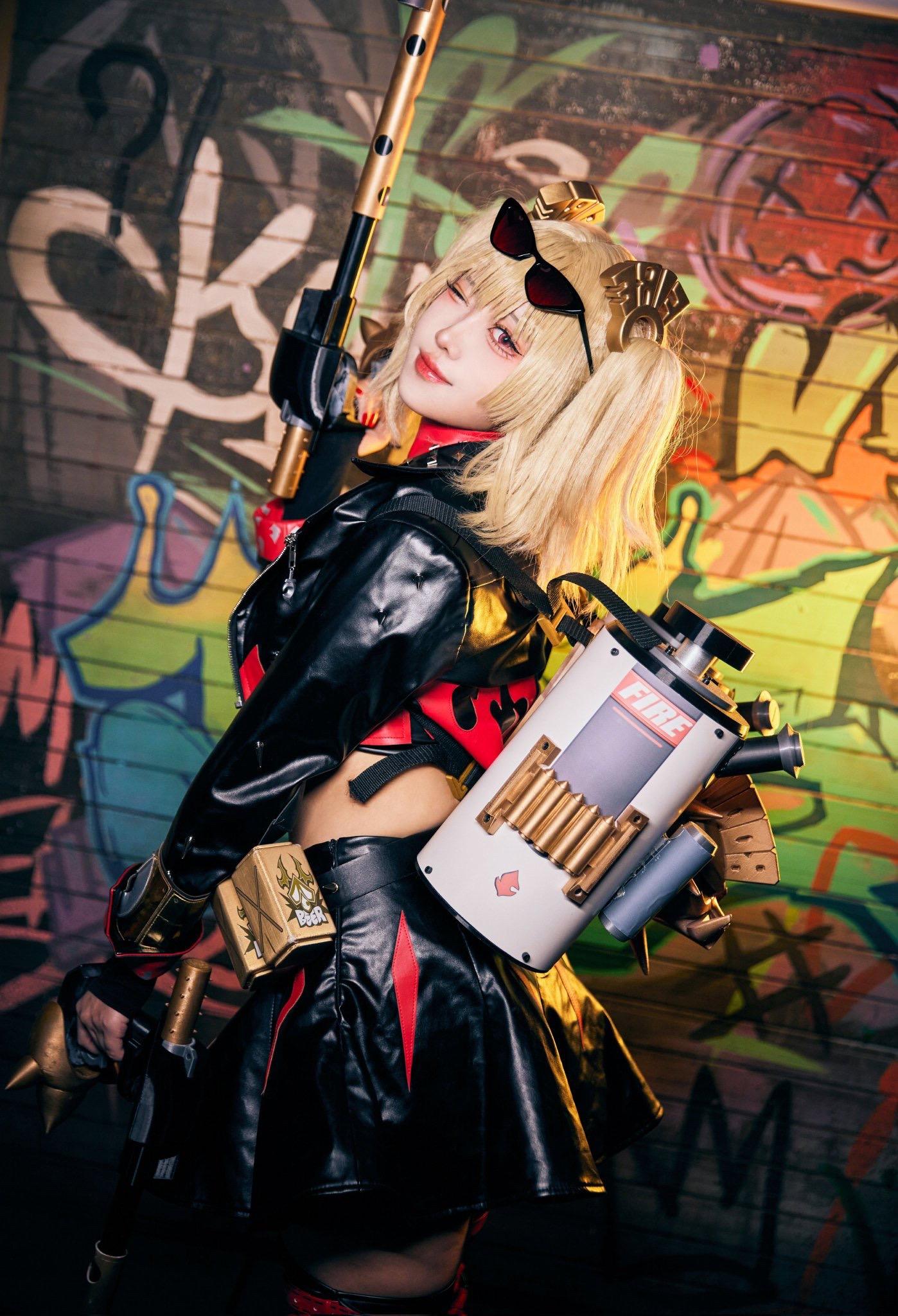
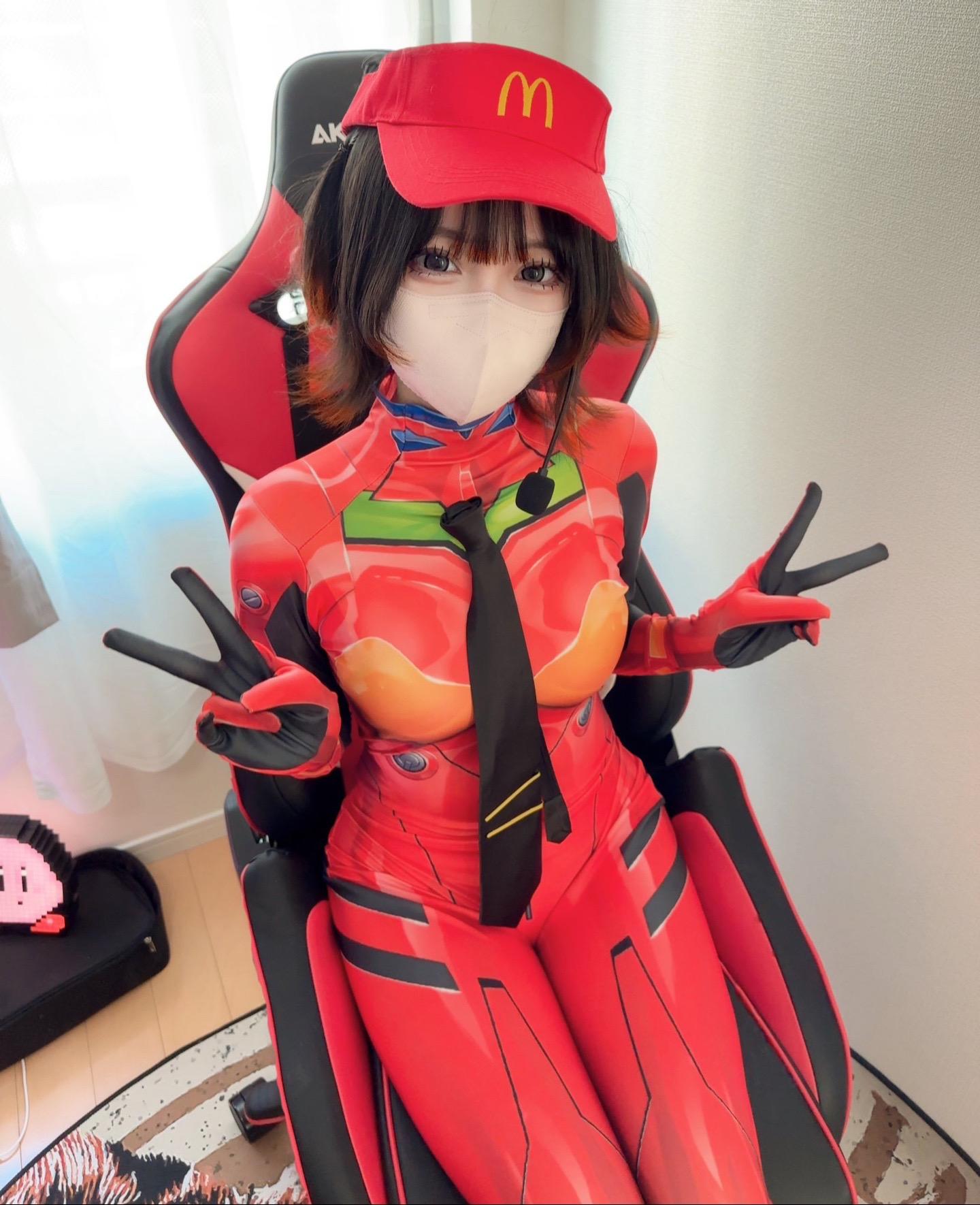
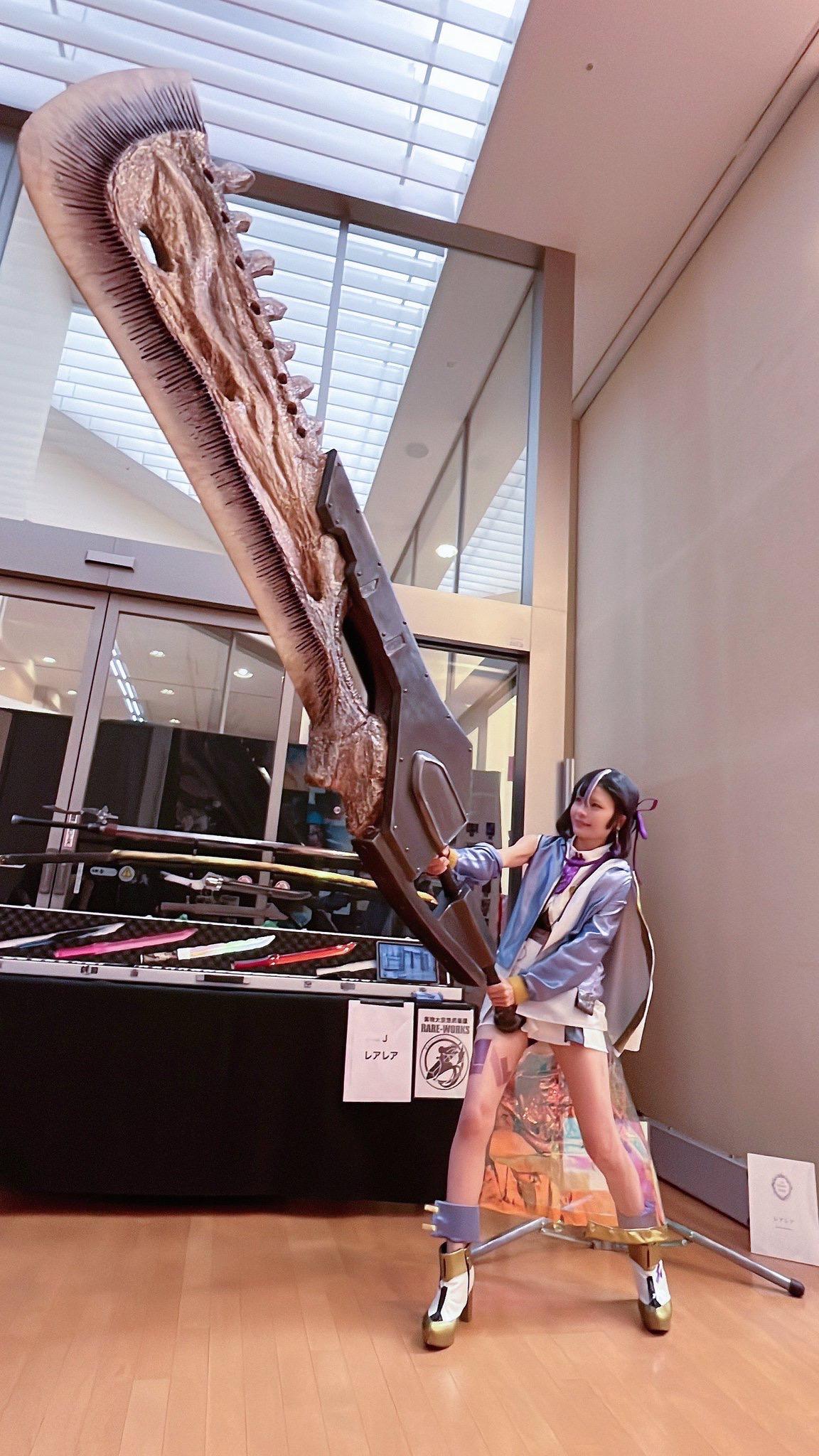
Data on the primary use cases for anime-inspired apparel was provided by the survey respondents.
Notably, in the 2D market, top-tier IPs release themed apparel through official flagship stores or authorized partner outlets. These products, which come with full copyright protection, are often priced at a premium. Meanwhile, non-authorized anime apparel stores thrive on various social e-commerce platforms, with some popular accounts boasting over a million followers. These stores offer relatively affordable fan-made or replica designs, operating in a legal gray area when it comes to copyright. At the same time, copyright awareness is on the rise among fandom merchandise collectors: 71% of survey respondents said they pay close attention to whether a product is officially licensed, and 41% complained that the market is flooded with pirated and counterfeit goods, noting that they want to buy authentic products but struggle to find reliable official channels.
The survey data also reveals deeper insights into consumer mindsets: 71% of respondents stated outright that 2D culture is the catalyst that makes them willing to "pay for happiness" without hesitation. A further 65% have noticed a clear upward trend in the popularity of 2D culture among young people, with more and more like-minded fans visible in public spaces. What’s more, 54% of respondents recognized that 2D culture has driven the breakneck expansion of China’s cultural and creative industries.
With unwavering consumer enthusiasm from young people and the mutual empowerment between cultural IPs and the creative industry, the anime-inspired apparel market is poised for sustained explosive growth in the future.
The SMPCC also pointed out a major shift in public perception: while anime-inspired apparel was once synonymous exclusively with elaborate cosplay costumes worn only at comic conventions, that is no longer the case. According to the survey, half of 2D culture consumers have integrated anime-inspired apparel into their everyday wardrobes, bringing 2D style into every corner of daily life. That said, comic conventions and fan gatherings remain a key occasion for these products, with 47% of consumers carefully curating their outfits specifically for these events.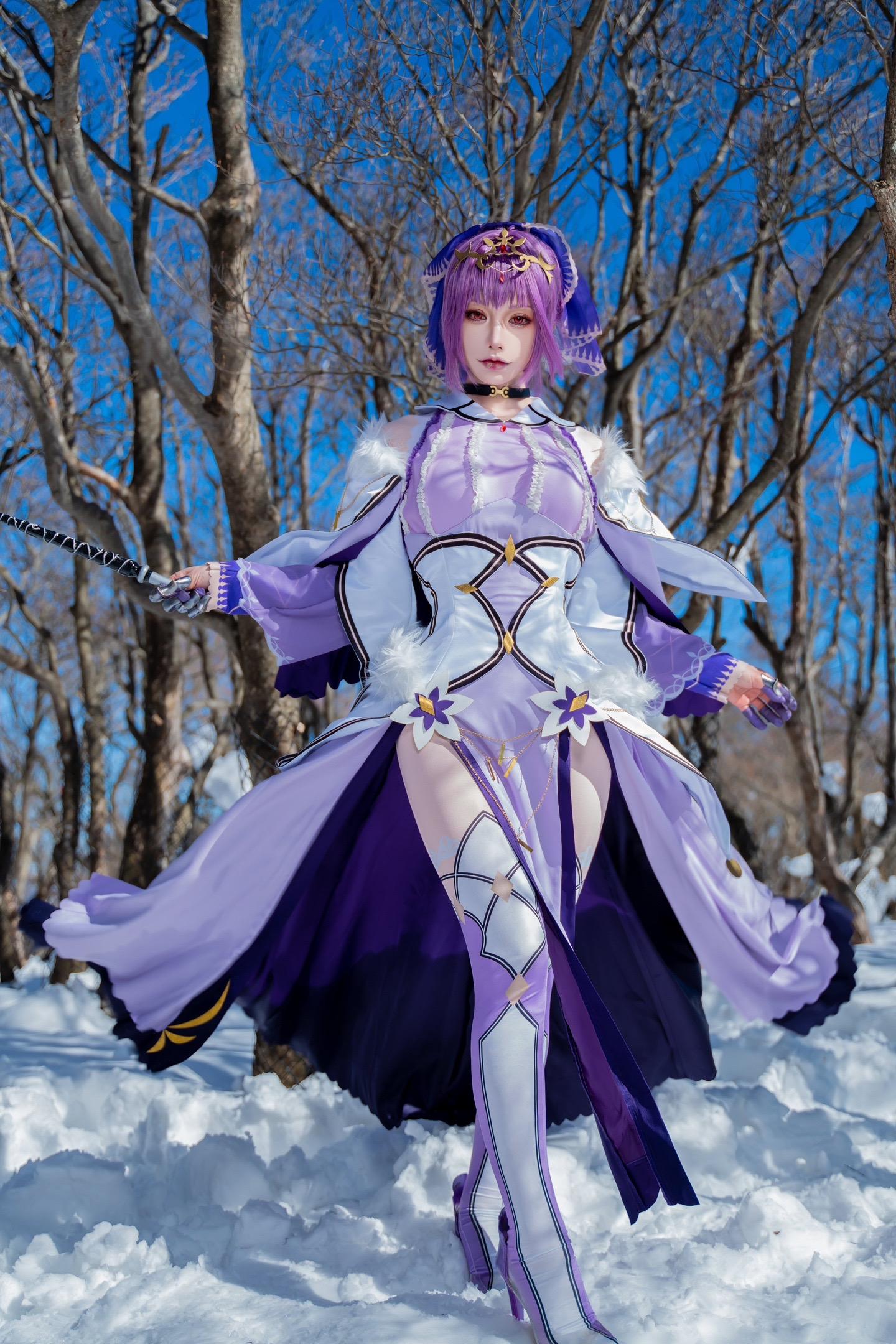
Rising Demands for Higher Quality
Alongside the shift from "convention-only" to "daily staple", consumer expectations for anime-inspired apparel have also evolved, with the quality of fabrics now drawing more attention than the accuracy of character design replication.
The SMPCC conducted an offline purchase test of 30 cosplay costumes and IP co-branded apparel items. Its research found that very few products on the market are officially released or carry clear authorization information: only 4 of the 30 purchased items (13%) were official licensed products, priced between 379 yuan and 1099 yuan. The remaining 26 items were sourced from ordinary anime apparel stores, with prices ranging from 60 yuan to 634 yuan.
An analysis of the fabric composition of the 30 items found that most are made primarily of polyester fiber, valued for its crisp structure and easy care. Some styles incorporate small amounts of spandex and viscose to improve elasticity and skin-friendliness. Lab tests revealed that the actual fiber content of some products was slightly inconsistent with the information on their composition labels, indicating that some manufacturers need to strengthen their control over fabric composition and labeling accuracy.
Safety tests were also conducted for formaldehyde content, pH value, color fastness, and residual solvent levels. All 29 items passed the tests in compliance with the National Technical Code for Basic Safety of Textile Products, except for one item with a pH value of 9.3, which exceeded the standard range of 4.0 to 9.0. This indicates that the safety of most anime-inspired apparel on the current market is guaranteed.
In the survey, 57% of respondents said they hope to see improvements in the workmanship of anime-inspired apparel. To address consumer concerns about fabric durability and stitching firmness, the SMPCC carried out burst strength and seam slippage tests on the samples. The results showed that products from official/authorized stores performed well overall, with thick, high-quality fabrics and neat, secure stitching. However, 6 items from ordinary anime apparel stores had loose stitching that came apart completely when pulled. Additionally, the commission tested for color bleeding and staining during washing, simulating regular home laundry scenarios, and all 30 items passed this test.
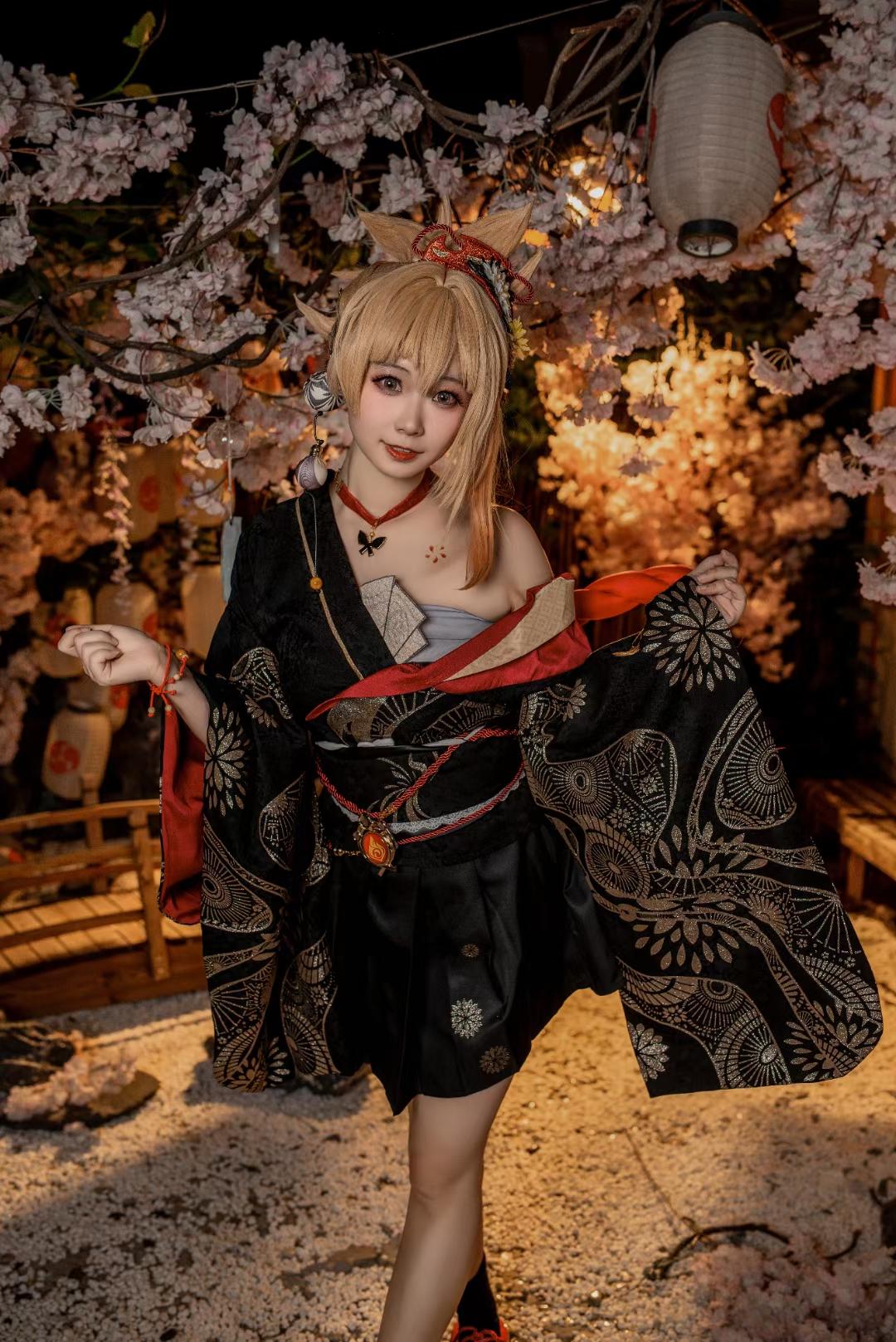
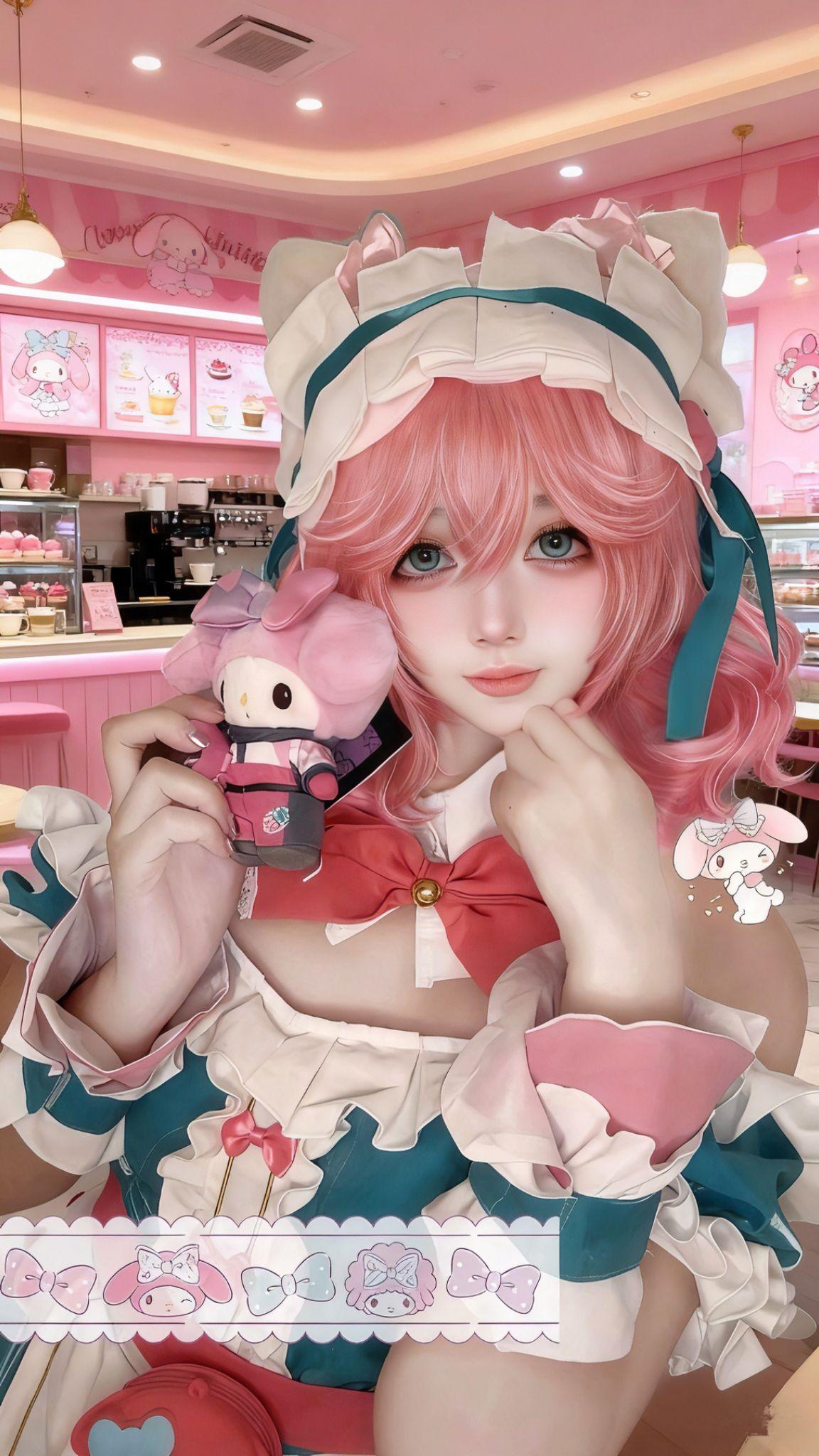
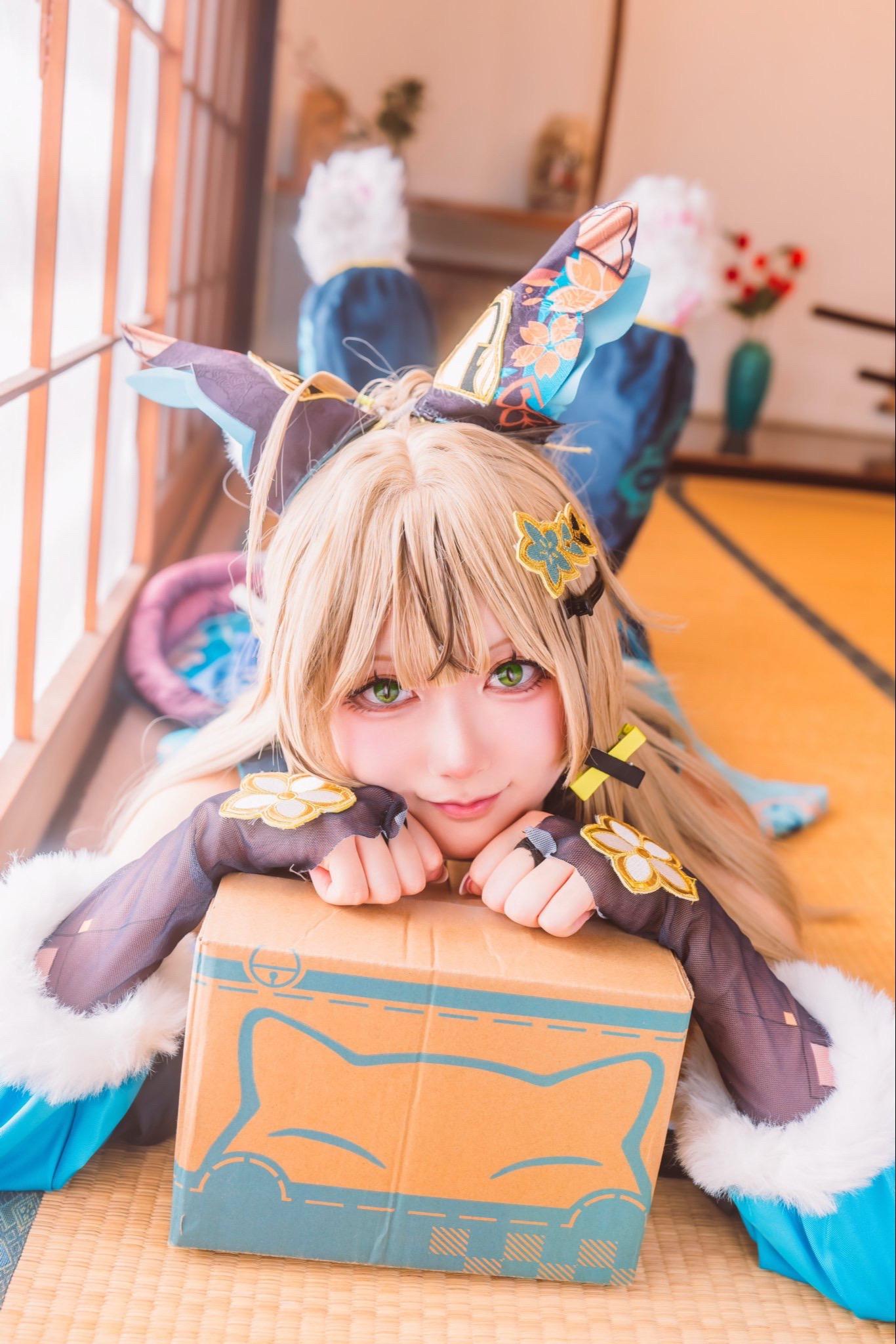
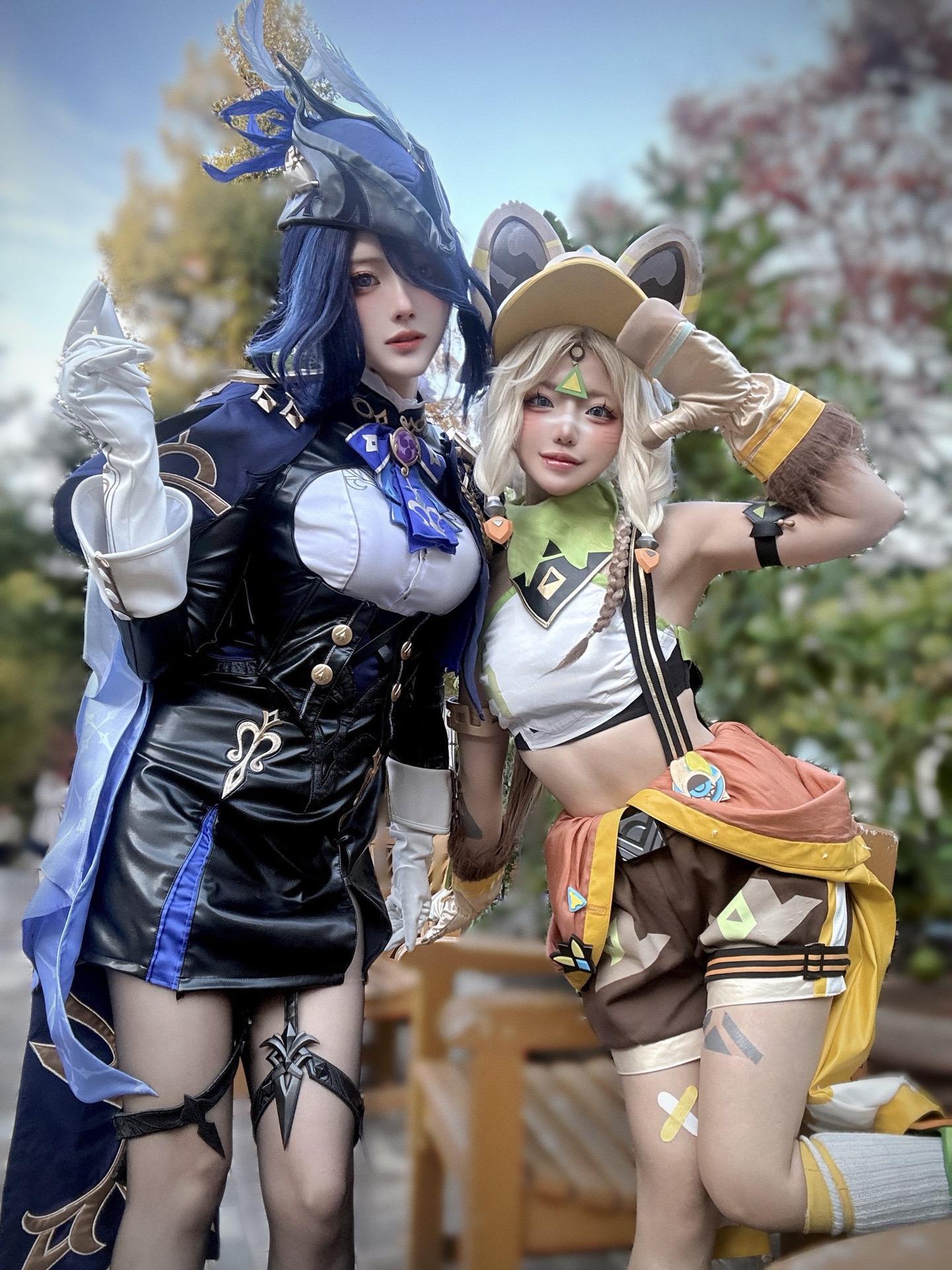
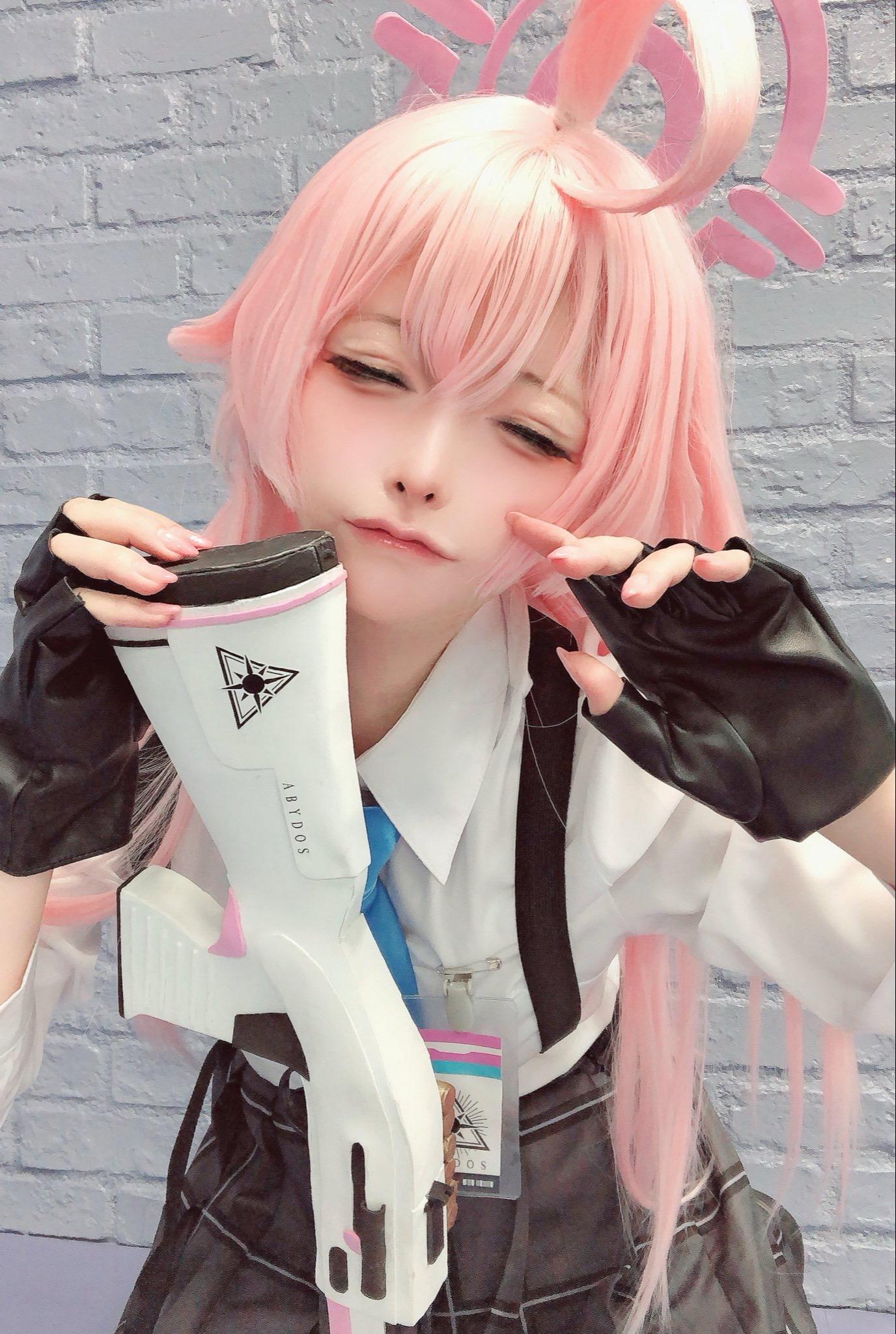
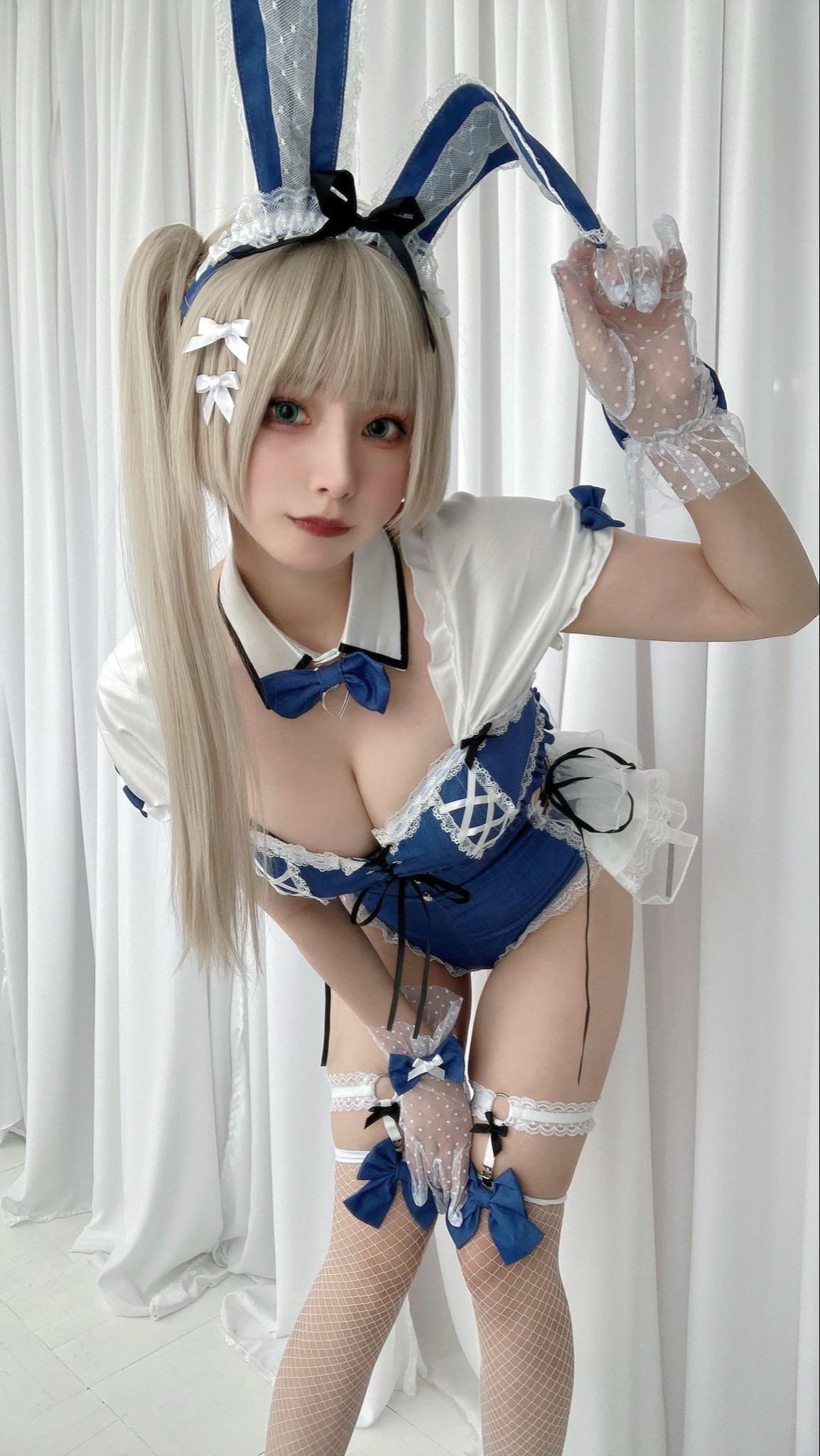
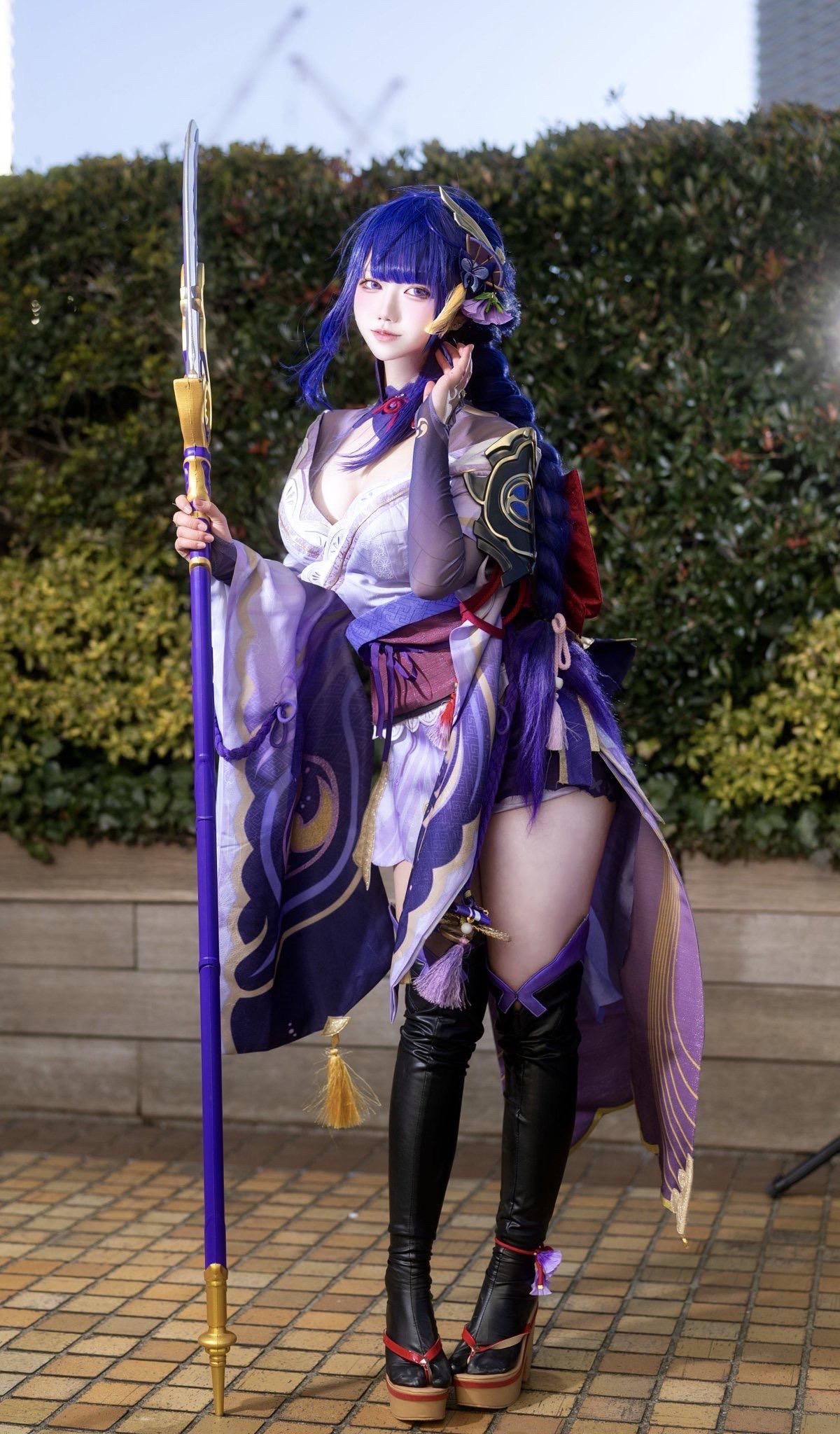
Based on the comprehensive test results, 5 samples stood out for their exceptional performance across all metrics. Images of these top-performing products were provided by the survey respondents.
Consume Rationally and Avoid Impulsive Spending
In addition to purchasing ready-made, in-stock products, many consumers opt for small-batch group custom orders to bring their favorite characters to life through apparel. Custom clothing production has relatively low requirements for merchant qualifications, and the SMPCC noted that many of the stores included in the sample offered custom services. The typical process for these orders is as follows: the merchant launches a group buy, the buyer pays a deposit to join the group, production of the sample garment begins once the minimum order quantity is met, and the buyer pays the remaining balance to wait for delivery.
These custom orders usually have a long production cycle. To speed up capital return, most merchants lock in orders through a model of "virtual delivery of the deposit + mandatory confirmation of receipt". Some sellers even require a 5-star positive review upon confirmation of the deposit receipt, and impose unilateral standard form clauses such as "no deposit refunds for neutral or negative reviews" and "deposit non-refundable if the balance is not paid on time". Throughout the lengthy order cycle that follows, e-commerce platforms lack effective supervision over the actual transaction process, leaving consumers' rights and interests insufficiently protected. This high-risk transaction model of "virtual delivery" and "early confirmation of receipt" poses new challenges for platform supervision.
During the sample purchase process, the SMPCC also found that, with the exception of products from official/authorized stores and a small number of top merchants, most samples from ordinary anime apparel stores were missing hang tags, qualification certificates, and composition labels. Many merchants even stated openly that "this is standard practice in the industry". This widespread norm violates consumers' right to information and right to choose, as it prevents buyers from assessing the safety and fabric quality of the clothing, creating potential health risks.
The SMPCC emphasized that relevant manufacturers must strictly abide by the Product Quality Law of the People's Republic of China and the mandatory national standard Instructions for Use of Consumer Products - Part 4: Textiles and Apparel, fully disclose product information to consumers, and strengthen compliance awareness. For consumers, the commission recommends building stronger copyright awareness, prioritizing purchases from official/authorized stores and reputable, well-established regular merchants, and carefully checking the product's implementation standards and composition labels before buying.
We Also Recommend

Your cart is currently empty.
Cart