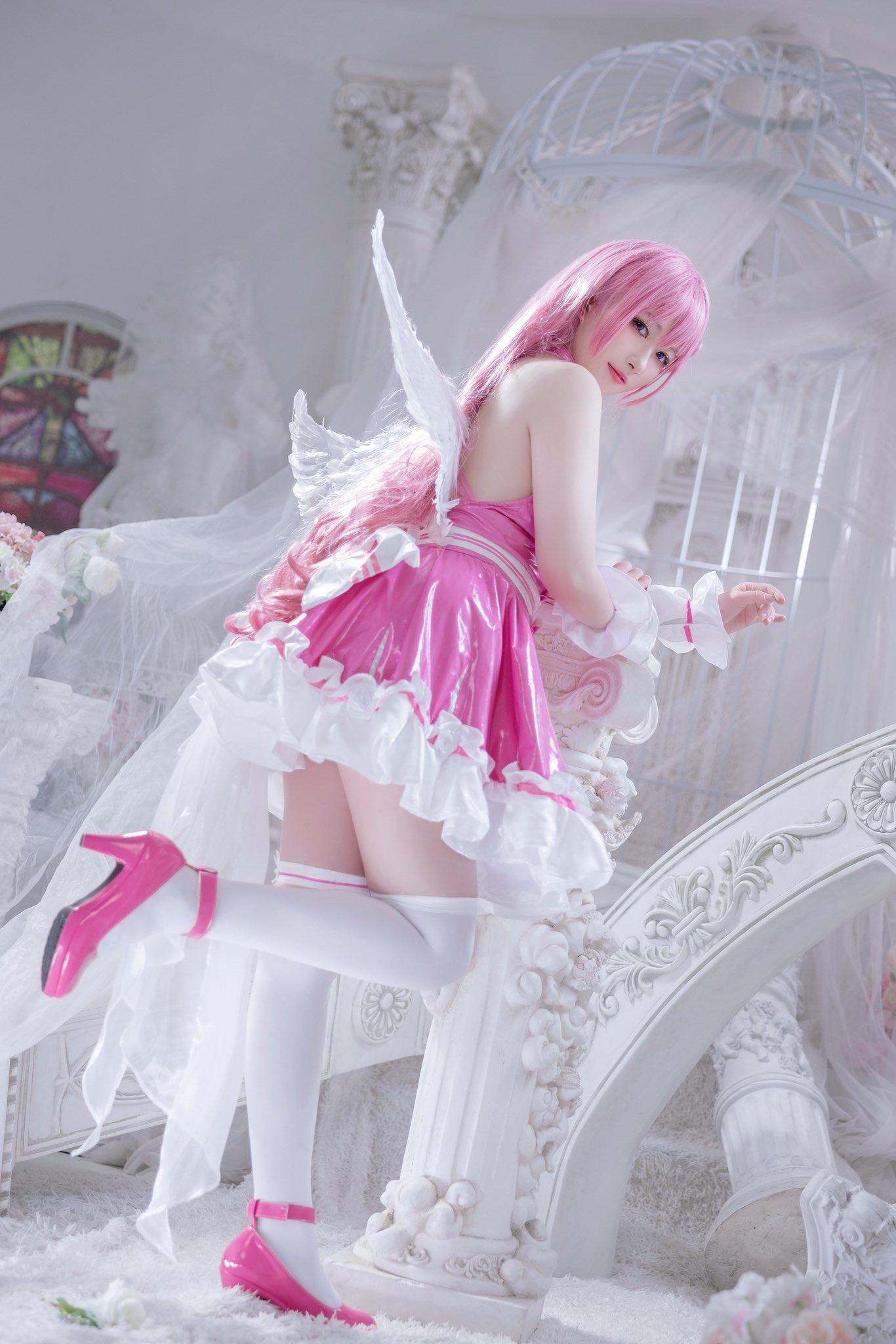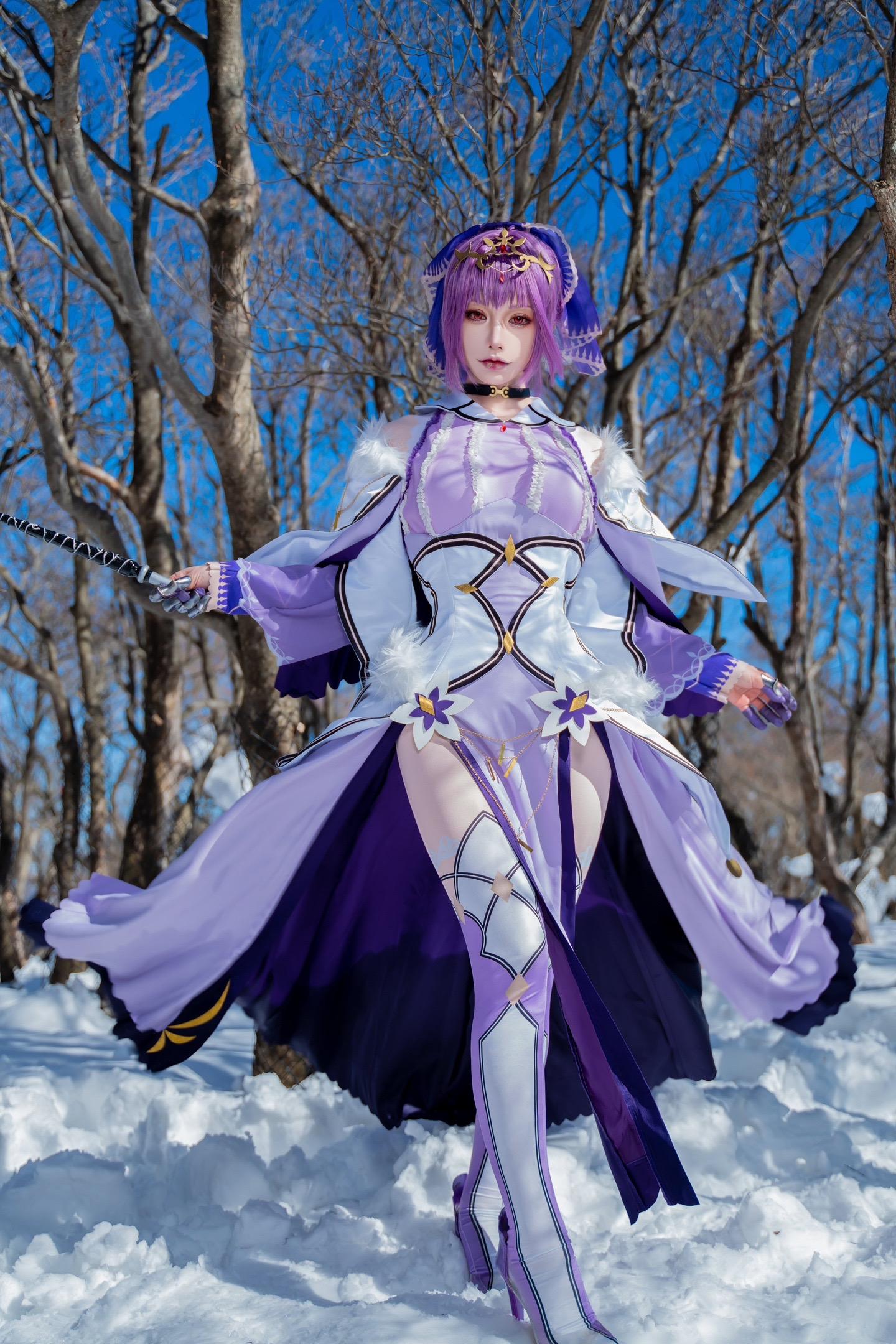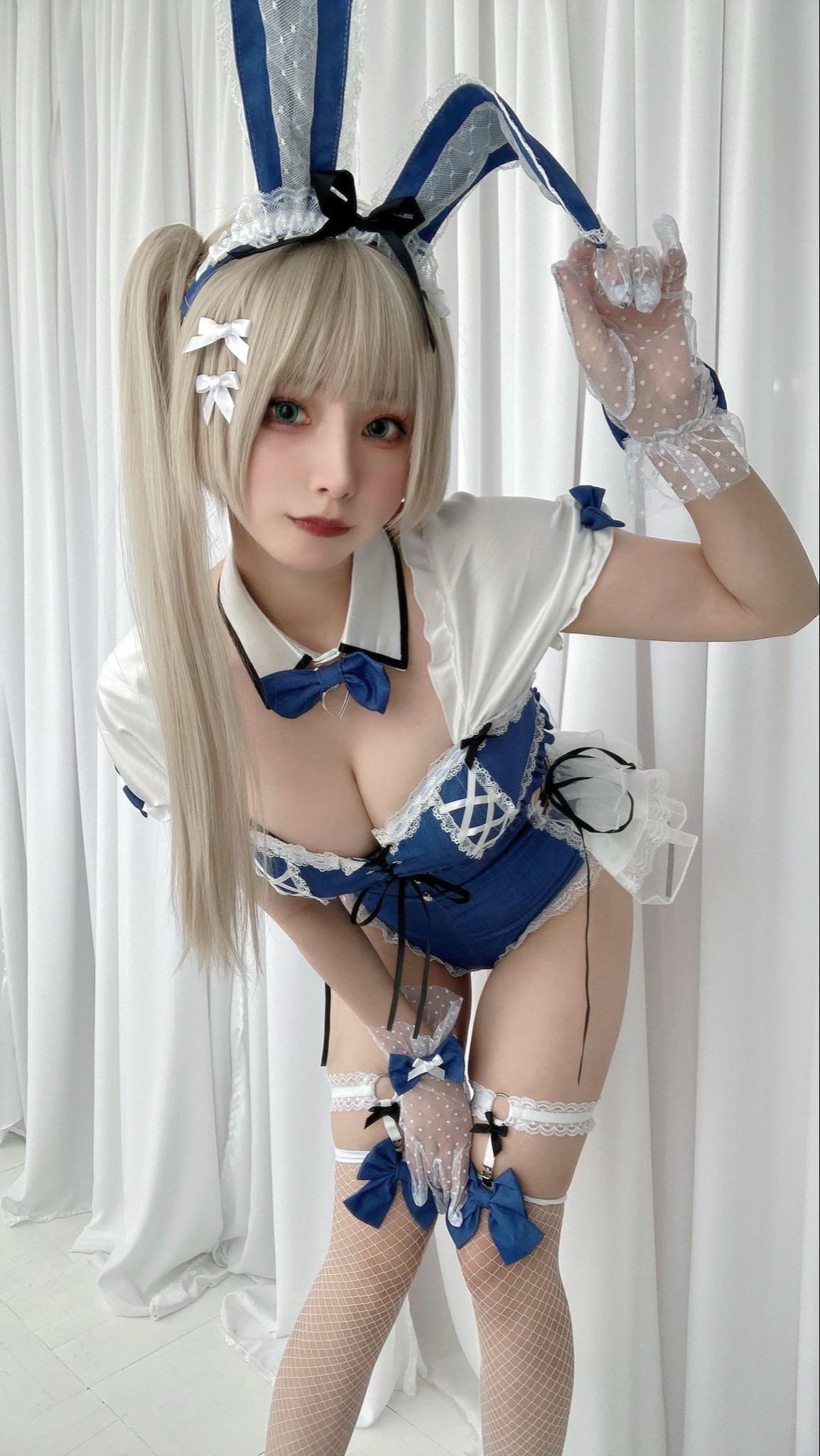
Why Physical Cosplay Costume Stores Are Hard to Find in Shanghai: A Deep Dive into the Online Shopping Habits of Cosplayers
Why Physical Cosplay Costume Stores Are Hard to Find in Shanghai: A Deep Dive into the Online Shopping Habits of Cosplayers
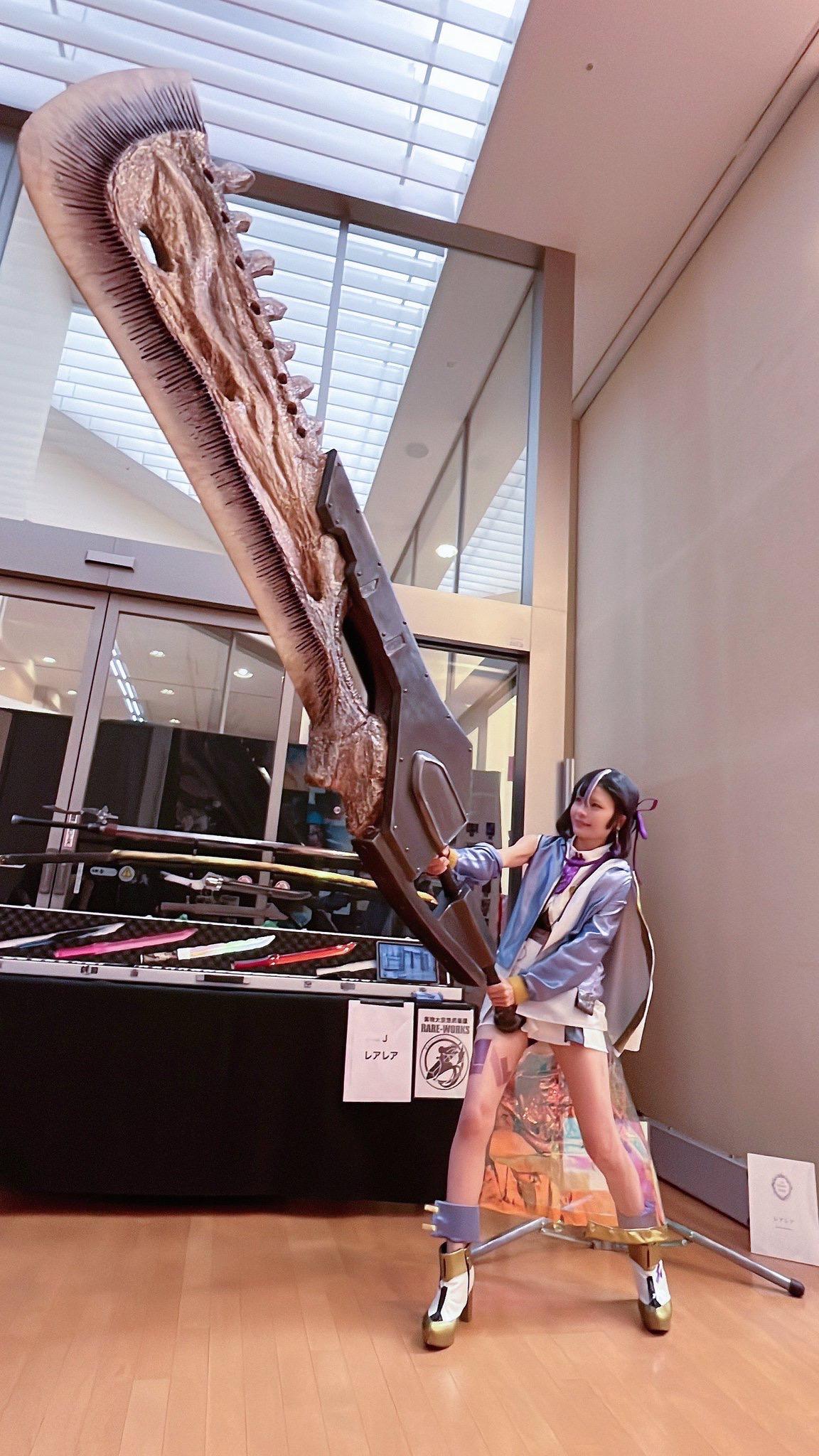
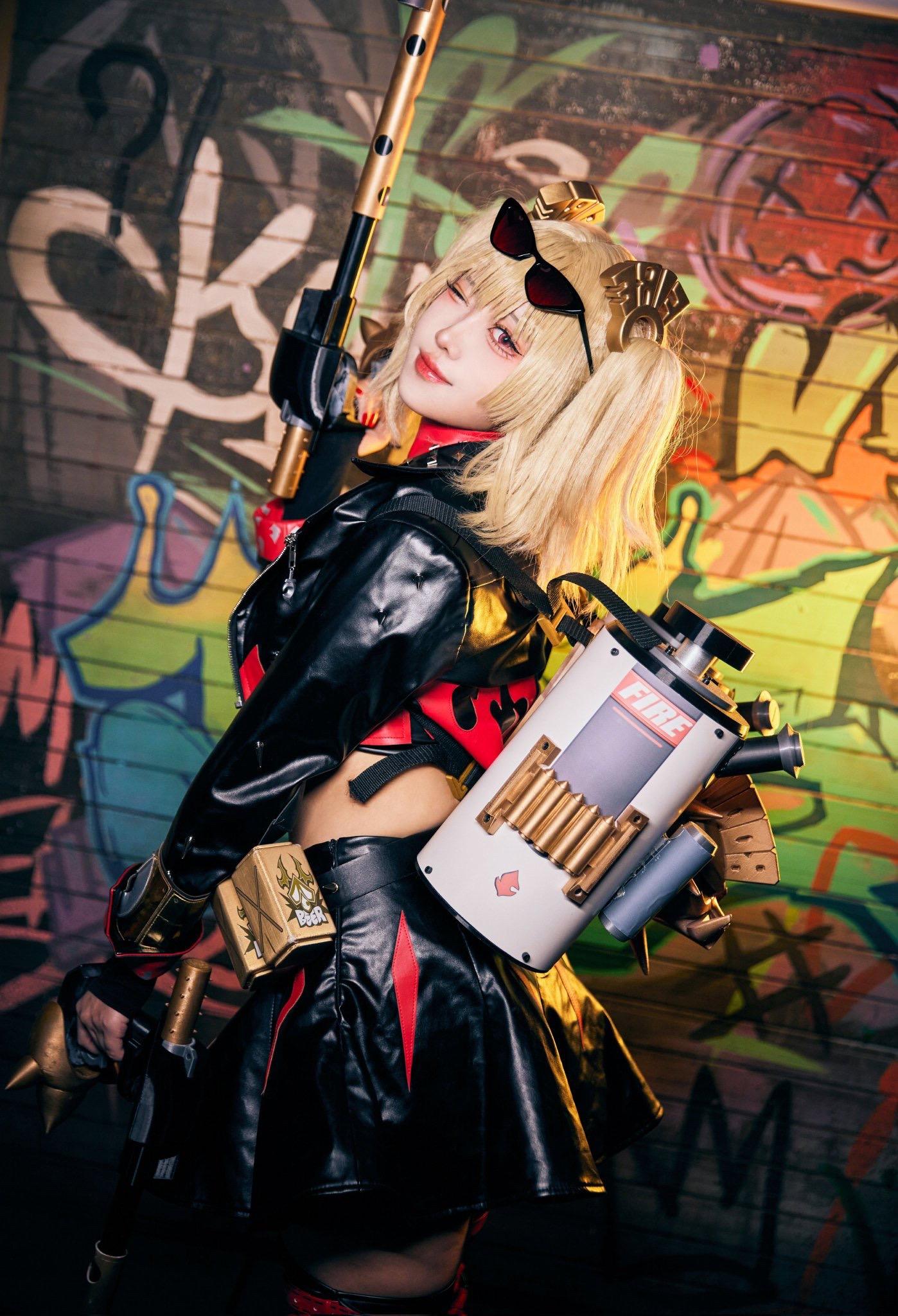
Two weeks ago, the Shanghai regional competition of the World COSPLAY Summit took place at Cherry Blossom Island in Gucun Park. Cosplayers showcased their incredible creativity and performance skills on site, with the winning duo from Chūka Ichiban! set to compete in the national finals during the May Day holiday.
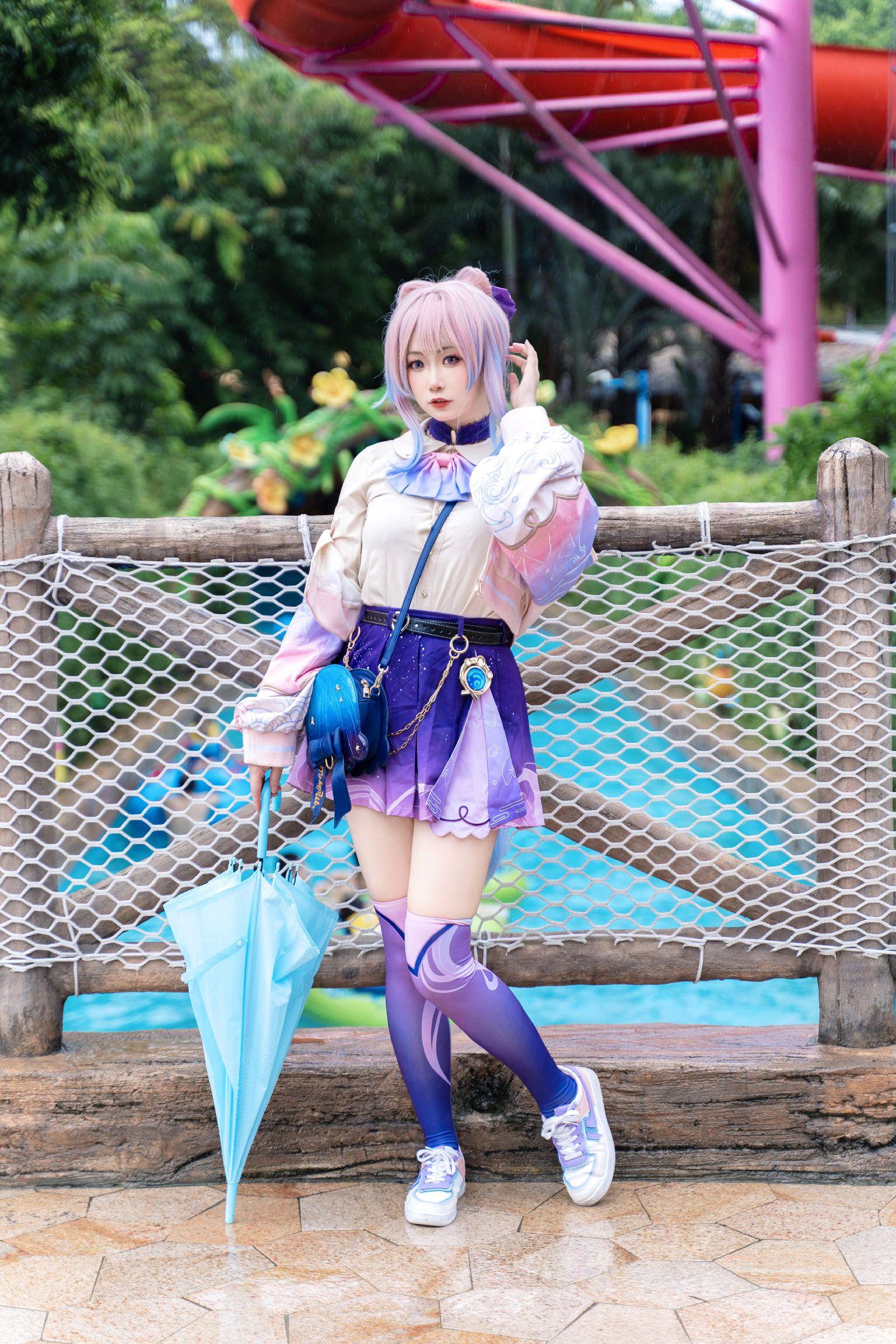
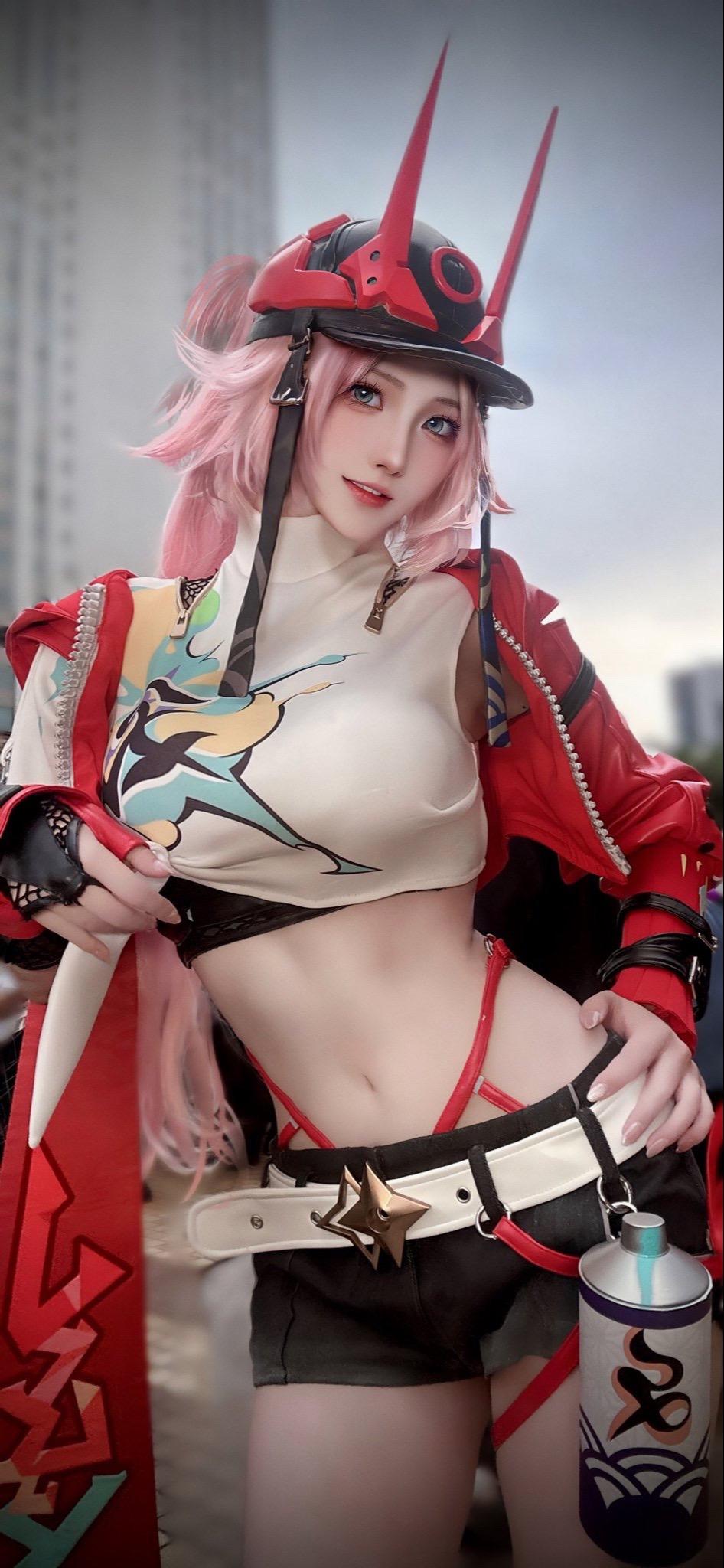
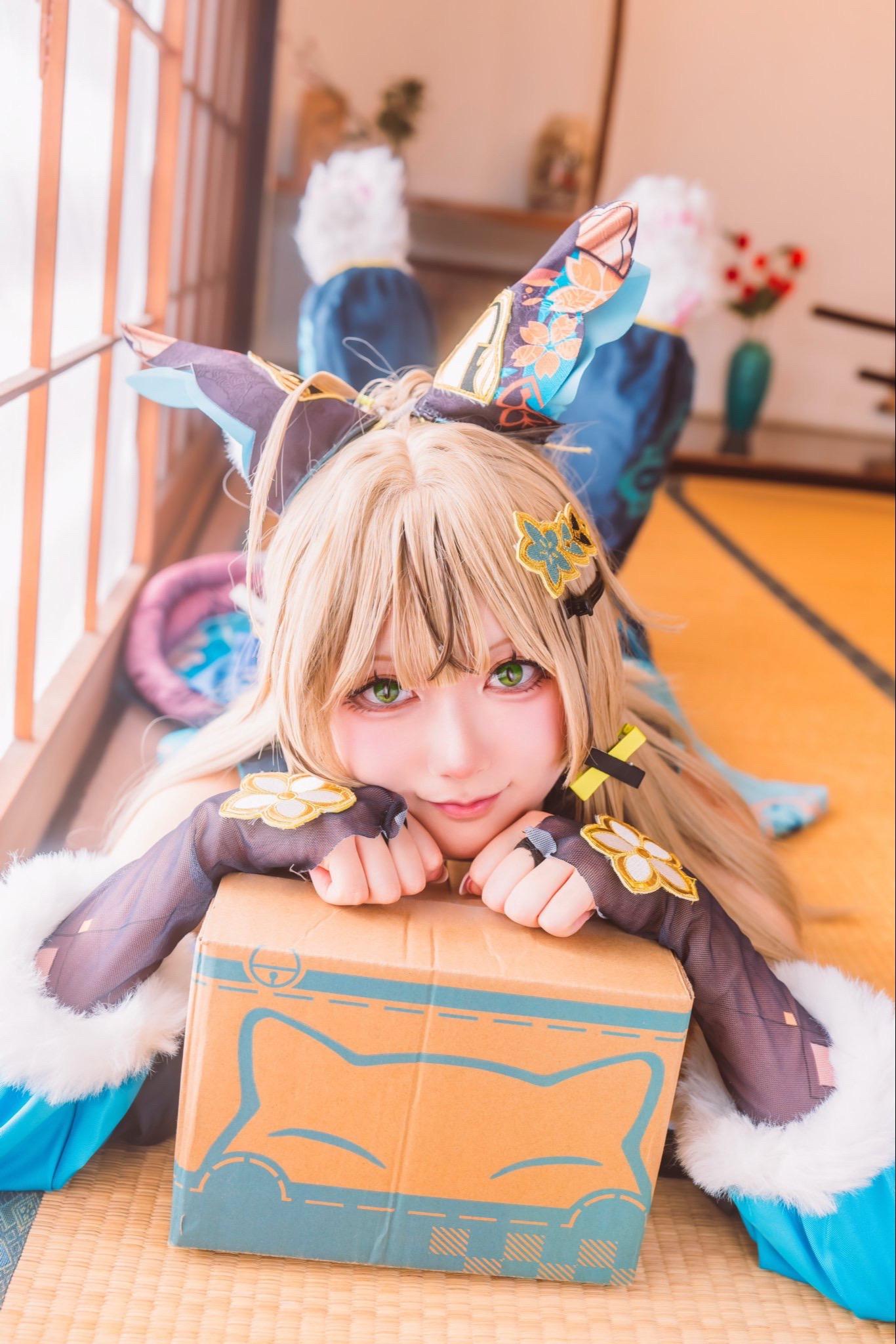
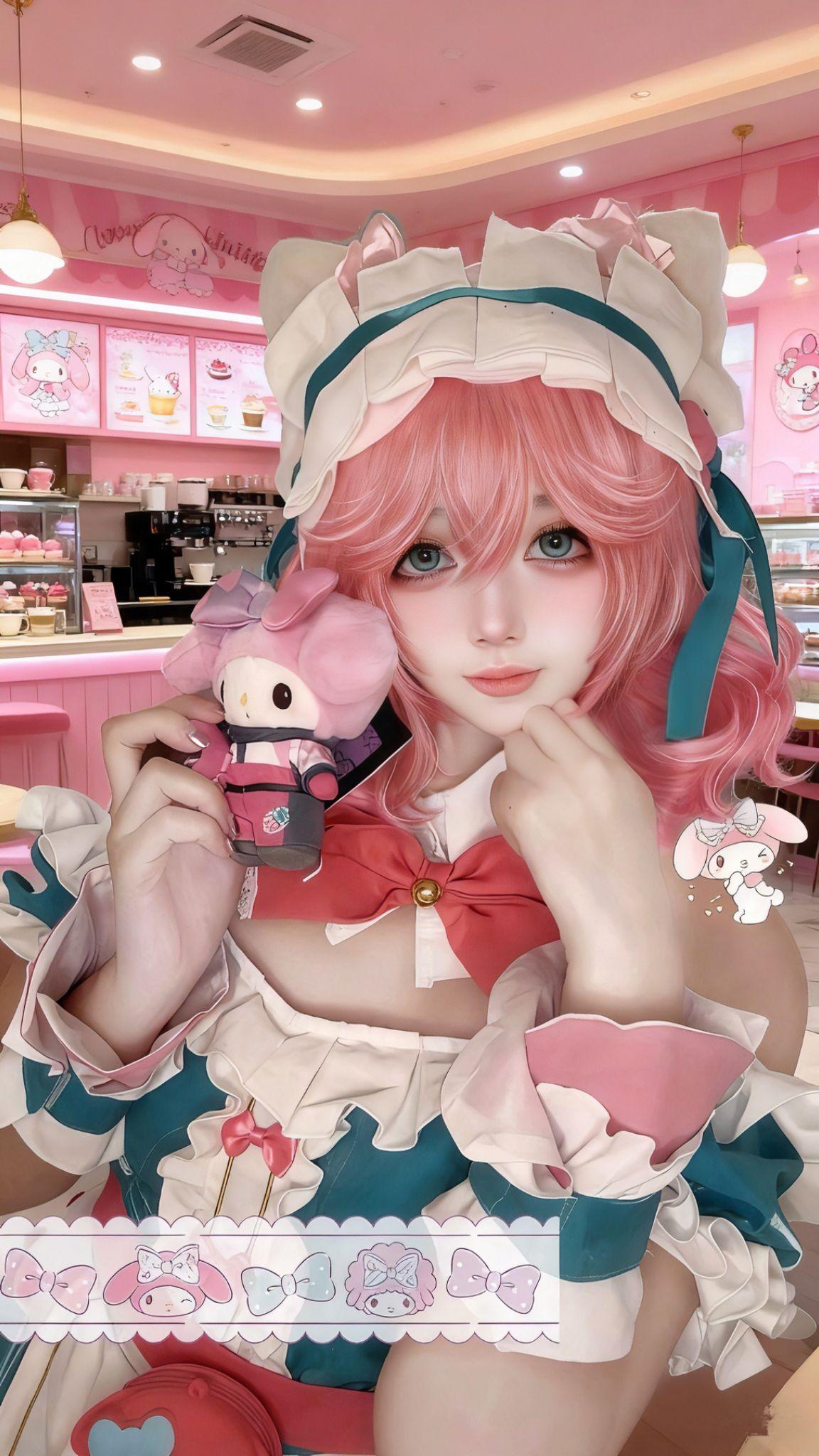
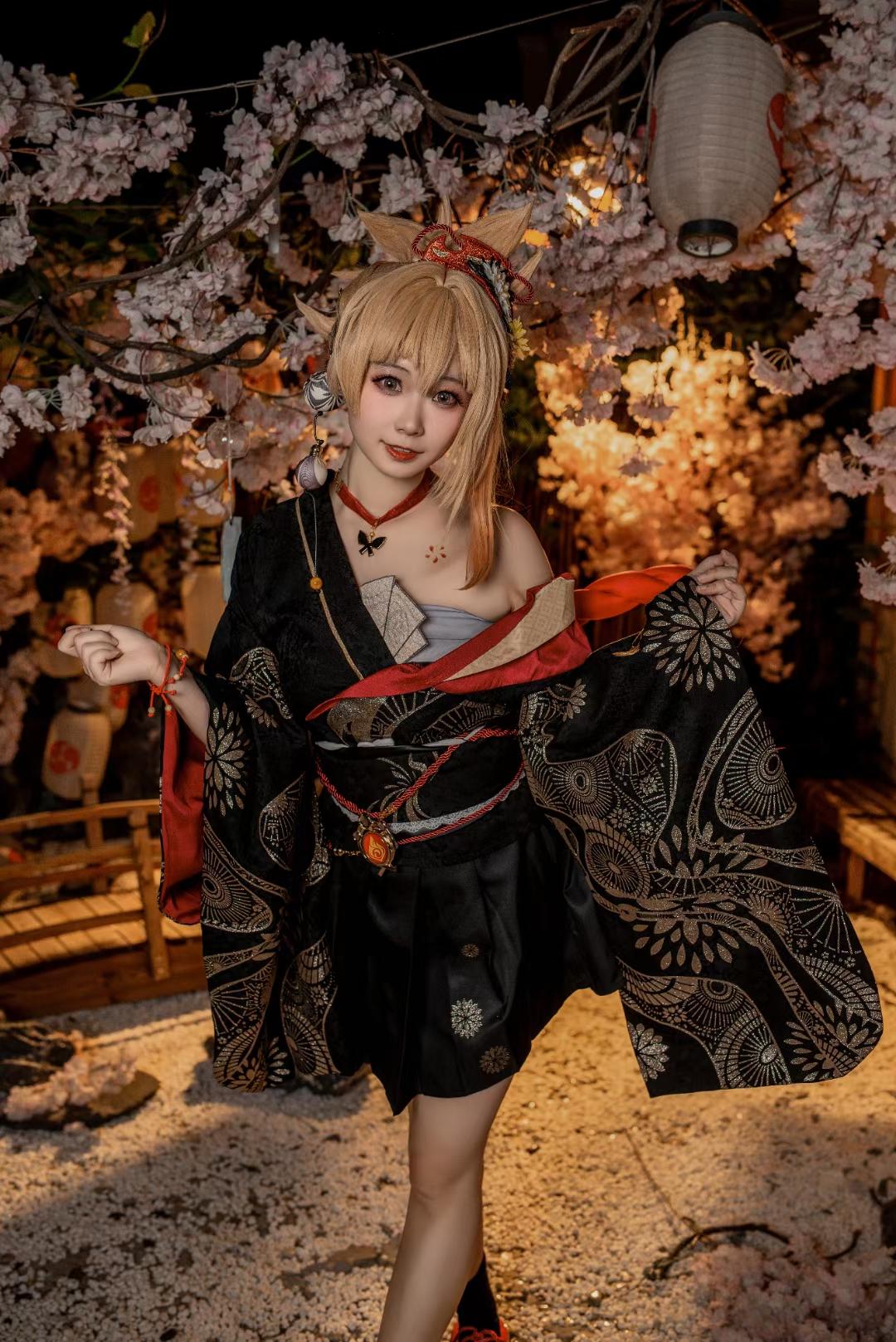
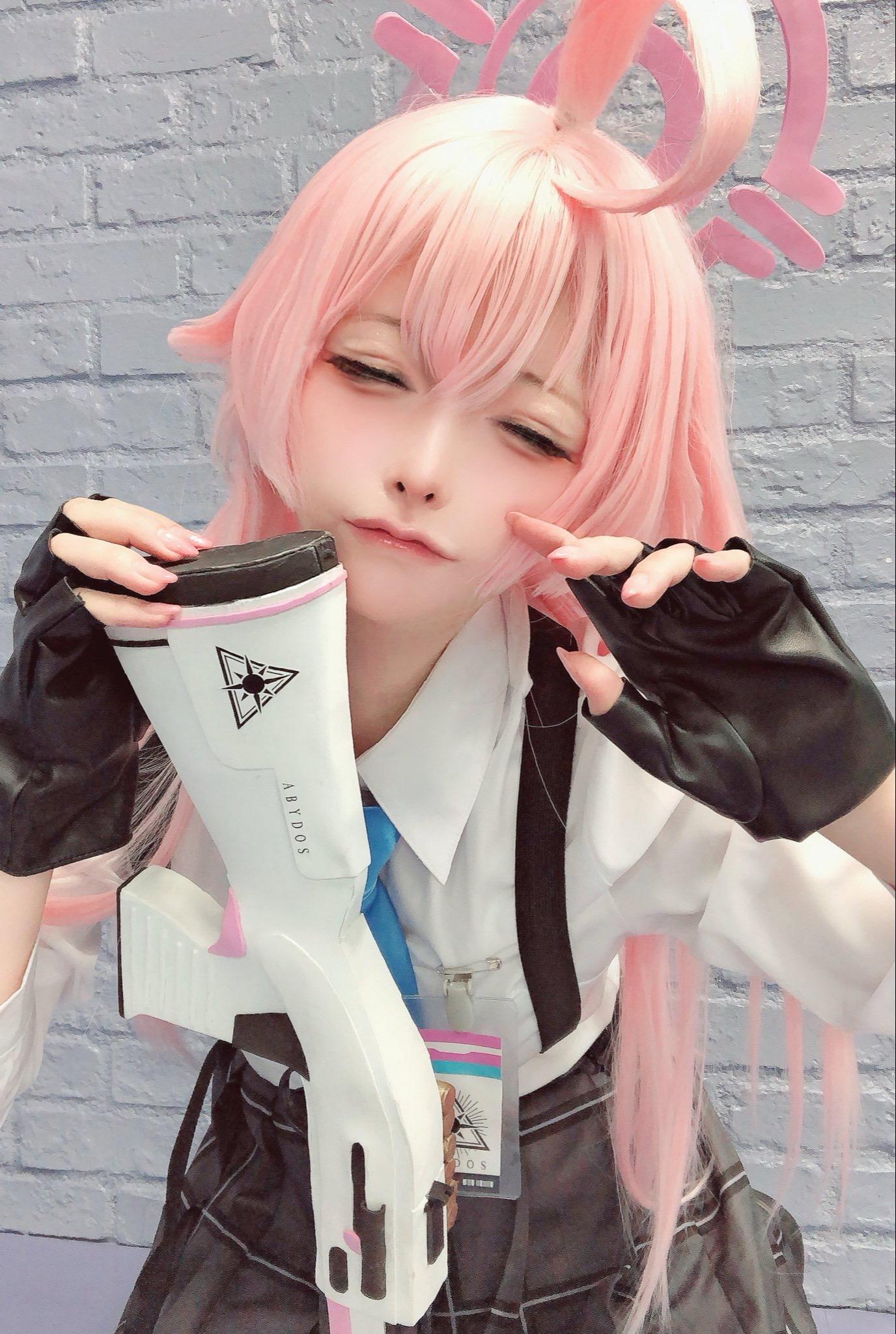
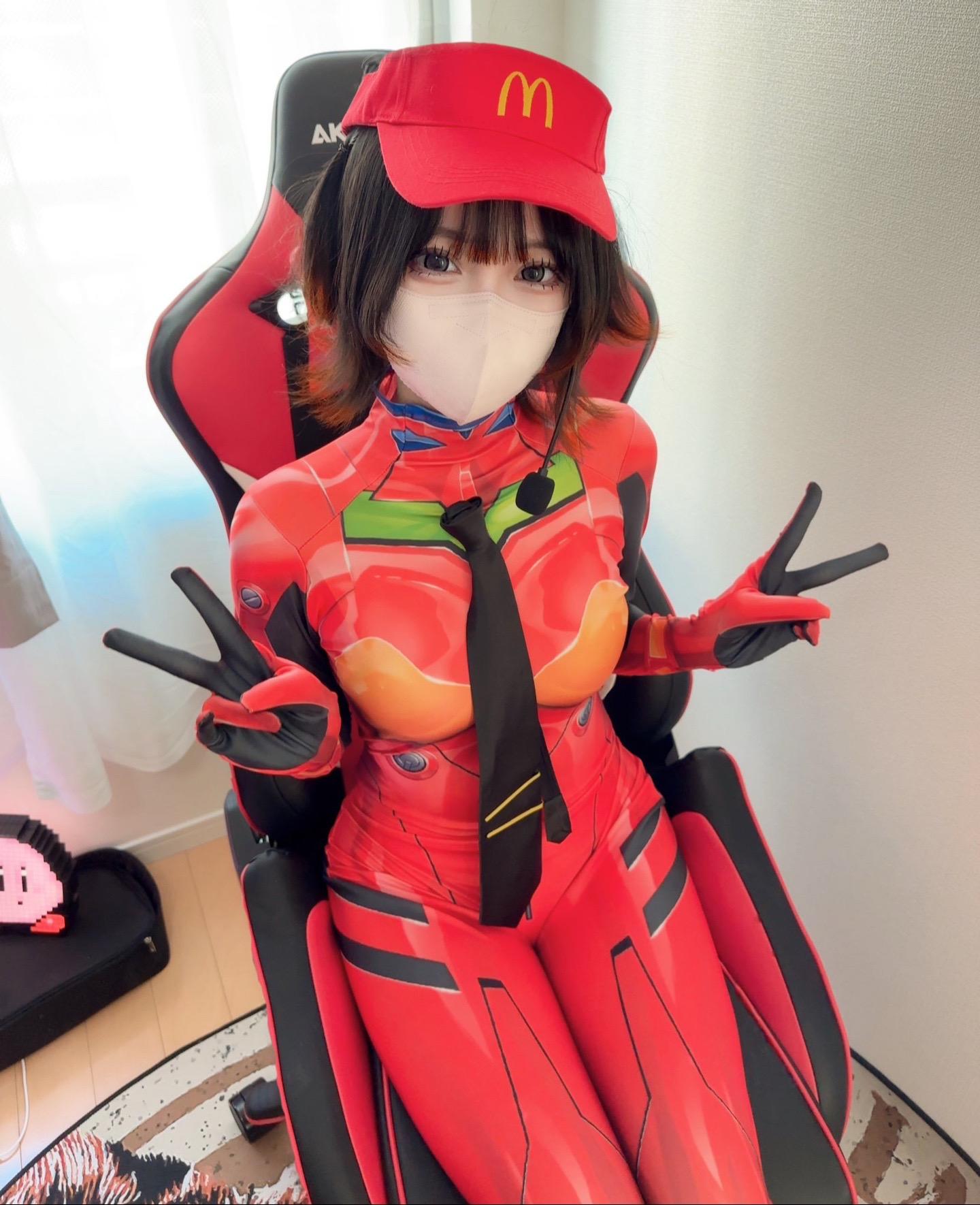
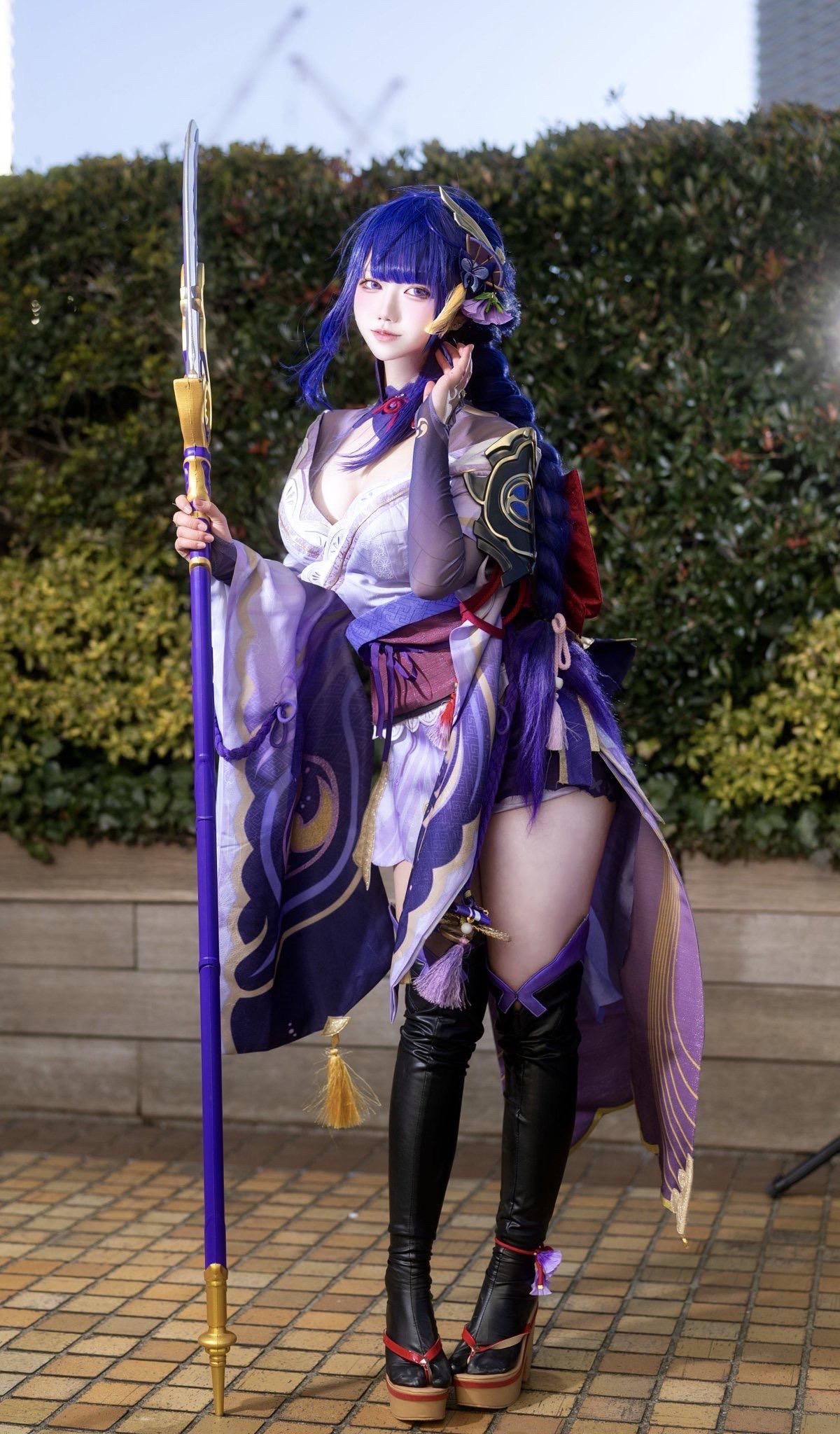
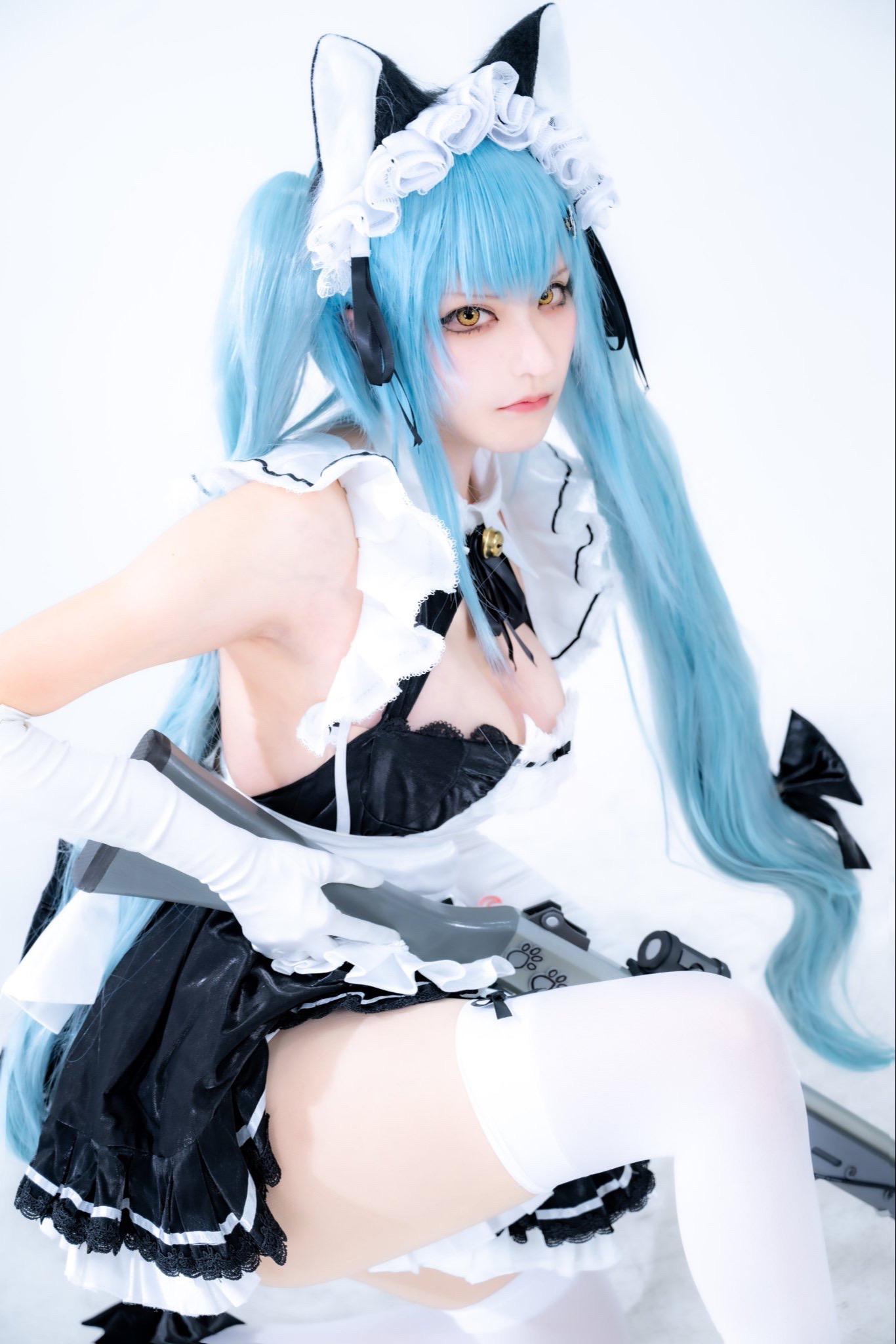
In today's booming secondary yuan (ACG) culture scene, COSPLAY is no longer limited to comic conventions and competitions. As you stroll through the streets of Shanghai, it's common to spot young people dressed in cosplay outfits wandering around or attending events. However, have you ever noticed that finding a dedicated offline store specializing in cosplay costumes in Shanghai is surprisingly difficult? Morning Post reporter interviewed several cosplayers and studio owners in the cosplay costume business to explore and analyze the reasons behind the scarcity of physical cosplay stores.
Online Shopping Tricks: Cosplayers' Go-To Methods
From chatting with various cosplayers, the reporter learned that while everyone has their favorite "go-to" channels for buying cosplay costumes, online platforms dominate their choices.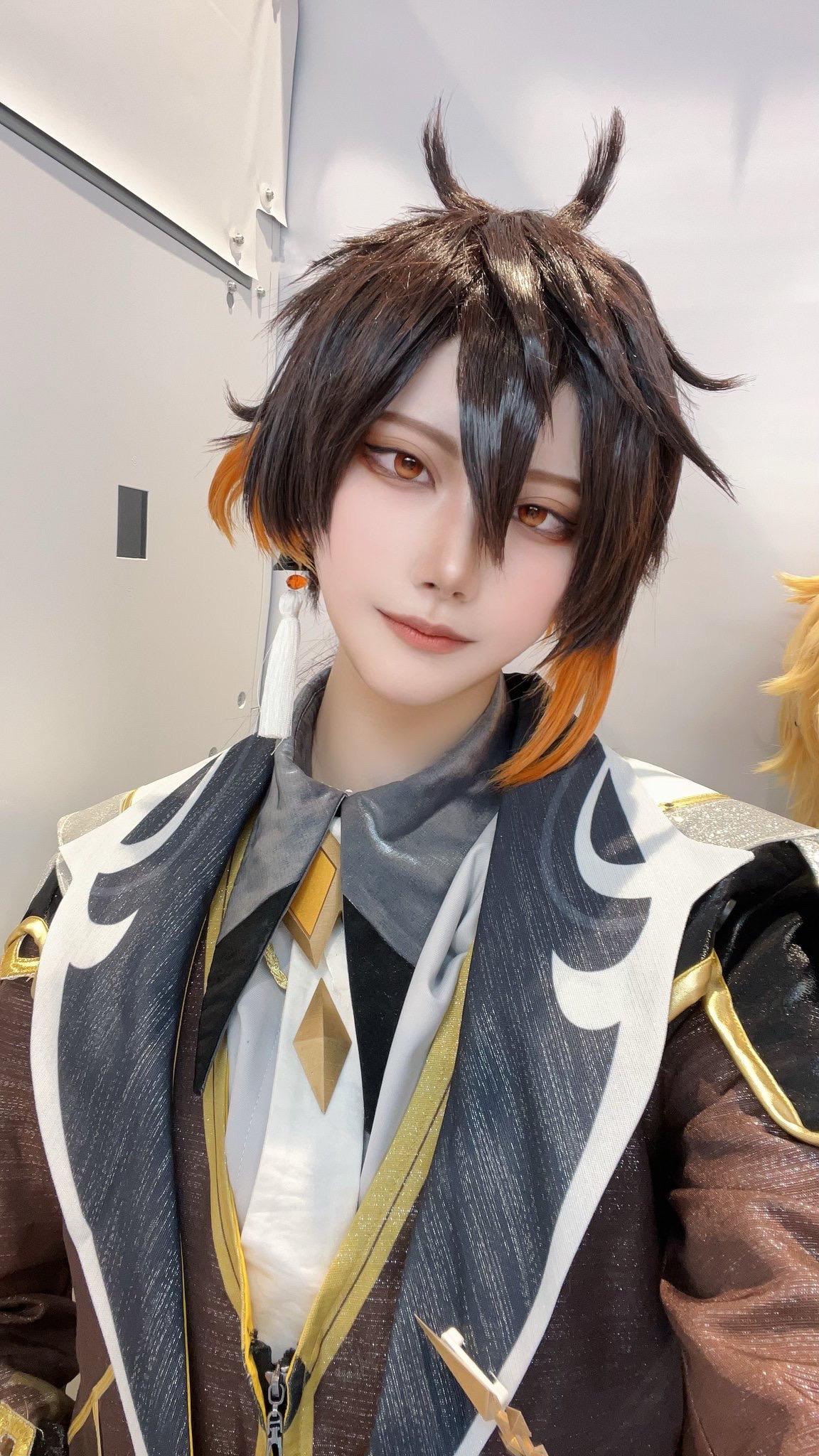
Ling'er Xiangdingdang (nicknamed "Ling'er"), a guest cosplayer at the recent World COSPLAY Summit Shanghai regional event and a graduate student in Shanghai with nearly 100,000 followers on Bilibili, shared her habits. "I usually buy on Taobao and Xianyu (Idle Fish), or design my own and have a tailor custom-make it. Recently, I ordered a cosplay outfit for 2B from Nier: Automata on Taobao. It's a popular character, so there are mass-produced items and even ready stock—I received it just a few days after ordering." Ling'er admitted that for hot characters, buying mass-produced "big cargo" online is convenient and fast. For niche roles, however, she resorts to custom designs.
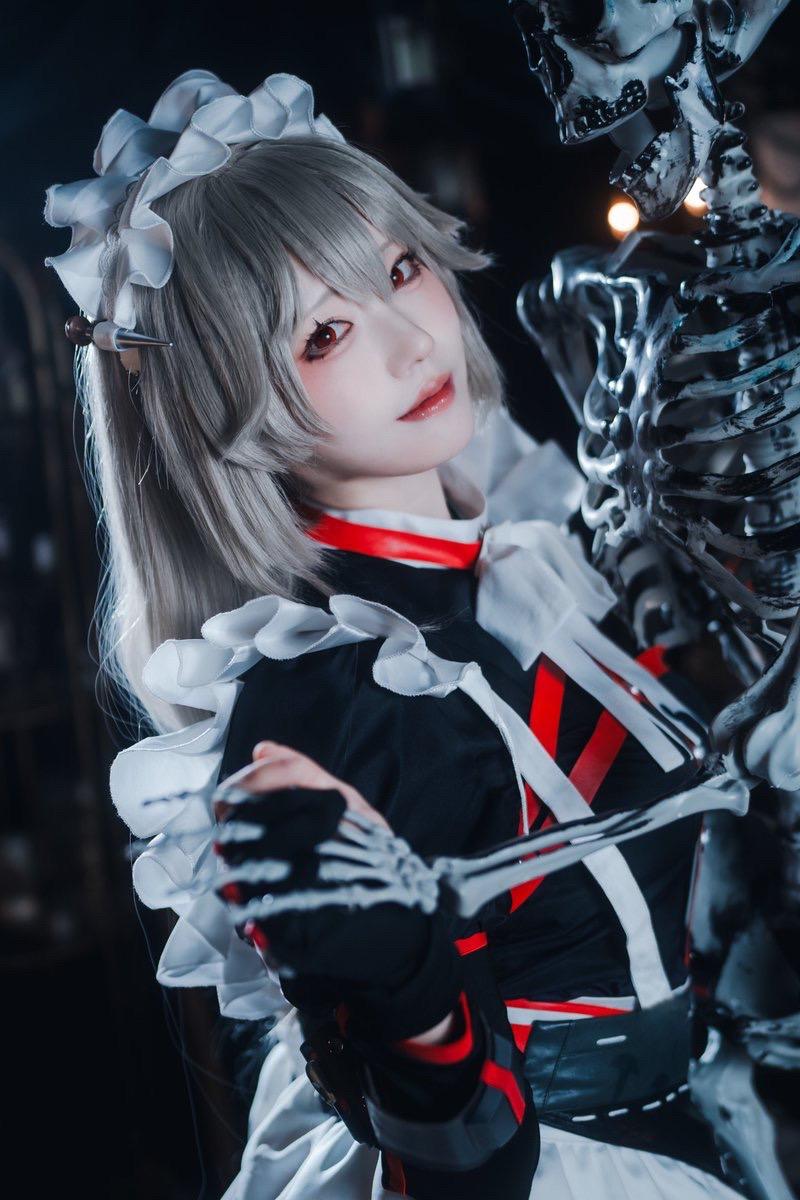
Cosplayer Weiyuechu's recent purchase was a thrilling "emergency rescue" mission. She decided last-minute to attend a comic con and grabbed ready stock online. "I bought Chen's cosplay from Arknights on Taobao from Mao Ciyuan store, and snagged a second-hand one of Kal'tsit from Arknights on Xianyu—purely last-minute finds."
Ji Yao, another cosplayer, adds a DIY twist. "If Taobao has mass-produced stock, I buy it outright. Otherwise, I make it myself or modify ready-to-wear clothes—buying pre-made saves a ton of effort." She continued, "I once got Yuege from Yutong's shop; it's factory-produced with stable quality, arriving in one or two months, sometimes even in stock. For unavailable ones, I transform regular clothes into cosplay outfits—it takes time but feels rewarding."
With years of COSPLAY experience, Ji Yao has self-taught the skills to make outfits not just for herself but also takes commissions on Xianyu during her spare time from work. "I tried tailors for customs early on, but the experience was poor—delays are common, depending purely on luck, and the final result is unpredictable. Now that I take orders myself, I limit to about two per month to avoid overload since I have a full-time job. Making cosplay costumes is a hobby; I don't want it to feel burdensome, especially with my own outfits and photoshoots to manage."
The Sales Secrets of Mass-Produced "Big Cargo" vs. Custom Orders
From these experiences, it's clear that whether chasing popular mass-produced items, niche customs, or second-hand gems, online shops and sellers meet every need—some cosplayers even DIY to "make do." The frequently mentioned "big cargo" (mass-produced) and "custom" categories are the two main types, differing significantly in sales and buying processes.
A veteran cosplayer and big cargo seller, Xiao Ai, explained to the reporter: "Customs are made to buyer specs, usually in small quantities like single digits. Big cargo involves merchants selecting popular roles/IPs for bulk factory production, often at least 100 pieces per order."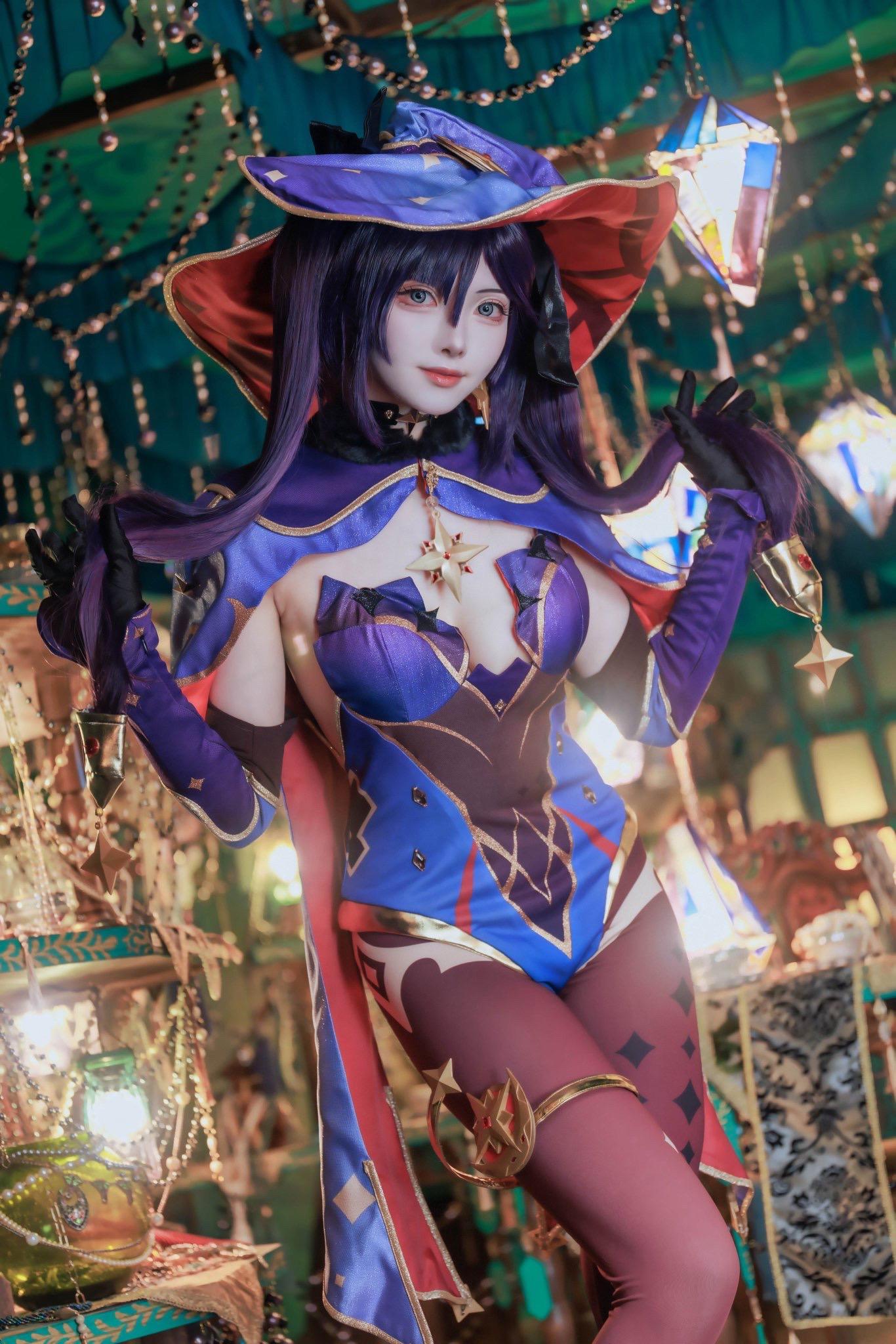
How do sellers decide which IPs or characters to mass-produce? Xiao Ai outlined two main approaches: First, merchants gauge market trends for hot IPs/roles and place factory orders. Second, they run group buys via surveys or small deposits—once a threshold (e.g., 100 participants) is met, they order from the factory. "For instance, with 100 deposits, they might order 130 pieces. Extras become ready stock or fuel another group buy. If it flops below minimums, deposits are refunded." She added that big cargo is cheaper, typically a few hundred yuan (under 100-150 USD), with popular shops like Miao Wu Xiaopu selling thousands of Hatsune Miku, Genshin Impact, or Honor of Kings outfits at 400-900 yuan each.
These shops also list deposit links for high-demand roles from Honor of Kings or Bungo Stray Dogs, with 30-50 yuan deposits indicating group status.
Customs cater to unique needs. Hot-item fan Ling'er rarely opts for them: "Too long wait, plus designing blueprints is a hassle. Unless it's a super niche character, the cost doesn't justify it—prices start at 1,000+ yuan with no upper limit."
Weiyuechu, however, favors customs: "My picks are either too obscure or don't fit standard sizes. Customs are ideal. I've passed on group buys due to long waits or mismatched fabrics—better to custom or DIY, starting at 1,000+ yuan, but complex designs justify the price."
Haute Couture Cosplay: Premium Customs and Pricing Strategies
Customs run pricier and more intricate than big cargo. Checking recommended online custom shops, outfits often hit 2,000-3,000 yuan.
Xiao Ai highlighted Fangyuan Zhijian Studio as a top-tier "haute couture" custom workshop in China's cosplay scene, handling not just cosplay but also film/TV props. Studio head and pro cosplayer Mao Xiaoduo detailed their process: "Corporate orders may involve bidding; private ones start with client blueprints, craft specs, and deadlines. We assess based on our schedule."
Using Douluo Continent's Ma Xiaotao cosplay as an example, she broke it down: Fabric sourcing (1 day), pattern-making and mockup (3 days), design sketches (2 days), digital printing trials (2-3x) + production (3 days), embroidery (2 days), sewing (4 days), 3D modeling/debugging (3 days), printing/sanding/painting (5 days total), assembly (2 days), final photos/editing/packing/shipping (1 day). Smooth runs take 2-3 weeks for top quality.
Pricing is "quote-by-design" based on complexity, urgency, etc.—no fixed range, but some set minimums (2,000-3,000 yuan) to filter orders. With 12-15 staff (商务, procurement, pattern makers, artists, embroiderers, printers, sewers, modelers, painters, prop makers, assistants), labor/materials claim ~2/3 of costs.
Unlike online shops, Fangyuan relies on repeat clients, referrals—direct contacts, no storefront. They prioritize game companies, shows, crews needing high fidelity, or discerning cosplayers demanding superior quality/details.
Puzzling Question: Why No Dedicated Cosplay Stores in Shanghai's Otaku Haven?
Shanghai buzzes with ACG events, comic cons, and "gu zi" (merch) shops everywhere, yet cosplayers rarely buy offline and seldom spot dedicated stores. Why?
Mao Xiaoduo, both cosplayer and seller, explained: "High demand from events, but no physical stores due to vast variety—stocking everything means huge inventory. Target audience isn't concentrated enough; high costs/risks hinder profitability."
She elaborated: "Street shoppers might impulse-buy T-shirts casually, but cosplay? You need interest first, then the exact character, perfect size/quality, plus wigs/props/accessories/weapons. Is it for cons, photos, coordinating models/photographers? It's a deep commitment—not impulse-friendly."
Ling'er agreed: "Niche audience doesn't suit brick-and-mortar. Past attempts failed—worse visibility/quality than online, plus sky-high rents/labor. All shifted online."
Indeed, cosplay lags "San Keng" trends (Hanfu, JK uniforms, Lolita) in everyday wear/low-frequency buys deter retailers. Scouting malls like Shanghai No.1 Department Store, New World City, Jing'an Joy City (high ACG density), or Dimei Street yielded "San Keng" shops aplenty—but zero cosplay specialists.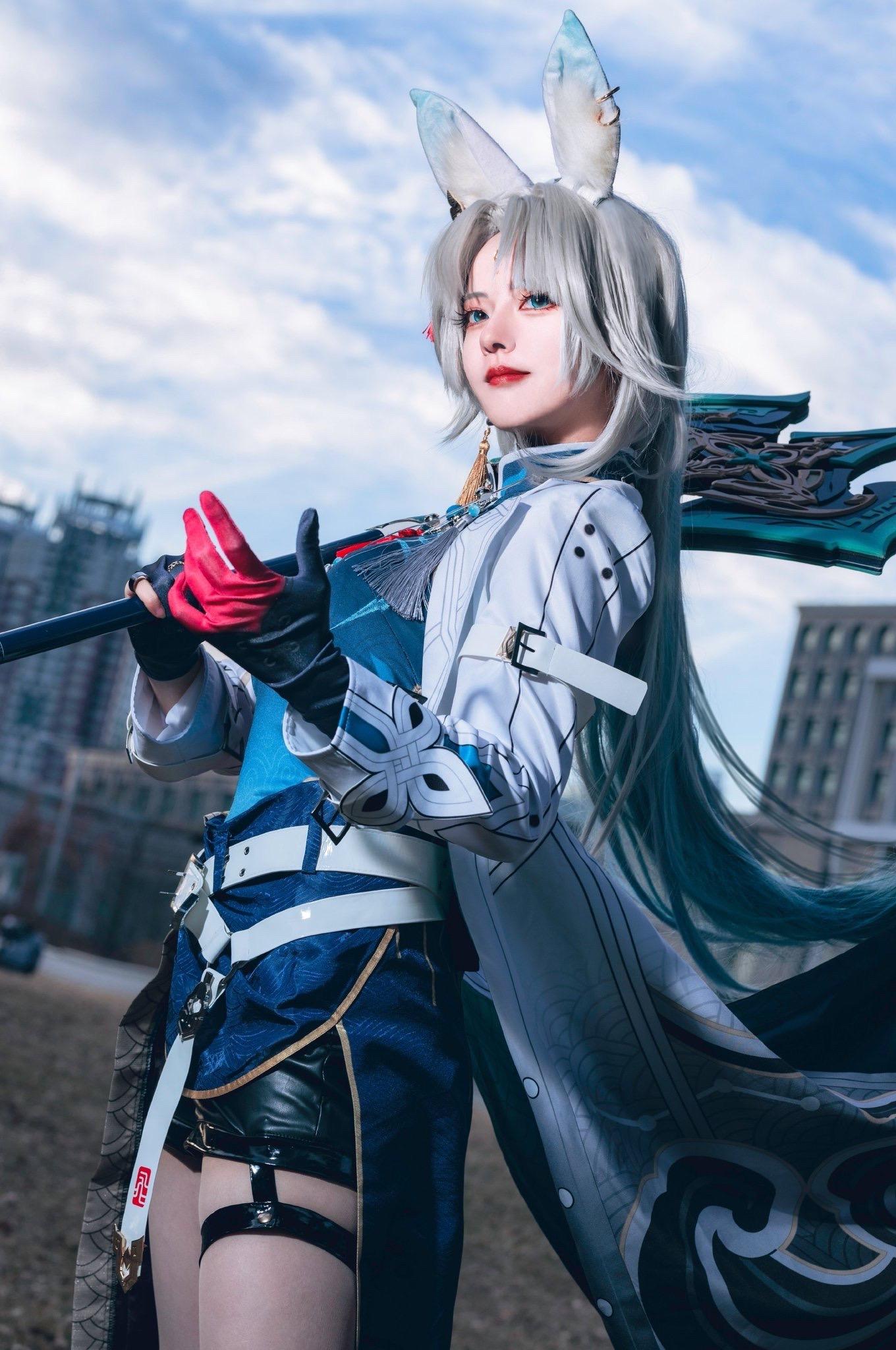
Online edges out with lower overheads/competitive pricing. High ops costs, niche demand, no offline price perks doom physical stores—even in Shanghai. Top customs like Fangyuan opt for workshops/warehouses (+ reception) in suburbs.
That said, for casual COSPLAY fun, Shanghai offers photo studios like "Ma Hou Shao Jiu ACG Cosplay Dressing & Photo Experience," "Magic Diary San Keng Cosplay Photo Studio," or "Star Element Anime Photography Studio"—downtown spots providing full makeup/outfits/shoots (hundreds to thousands yuan based on sets/clothes/people/prints). Cosplayers note these target curious passersby, not hardcore fans.
In summary, Shanghai's vibrant otaku scene thrives online for cosplay costumes, where convenience, variety, and affordability reign. Physical stores struggle against these odds, but the culture endures through digital savvy and creative spirits.